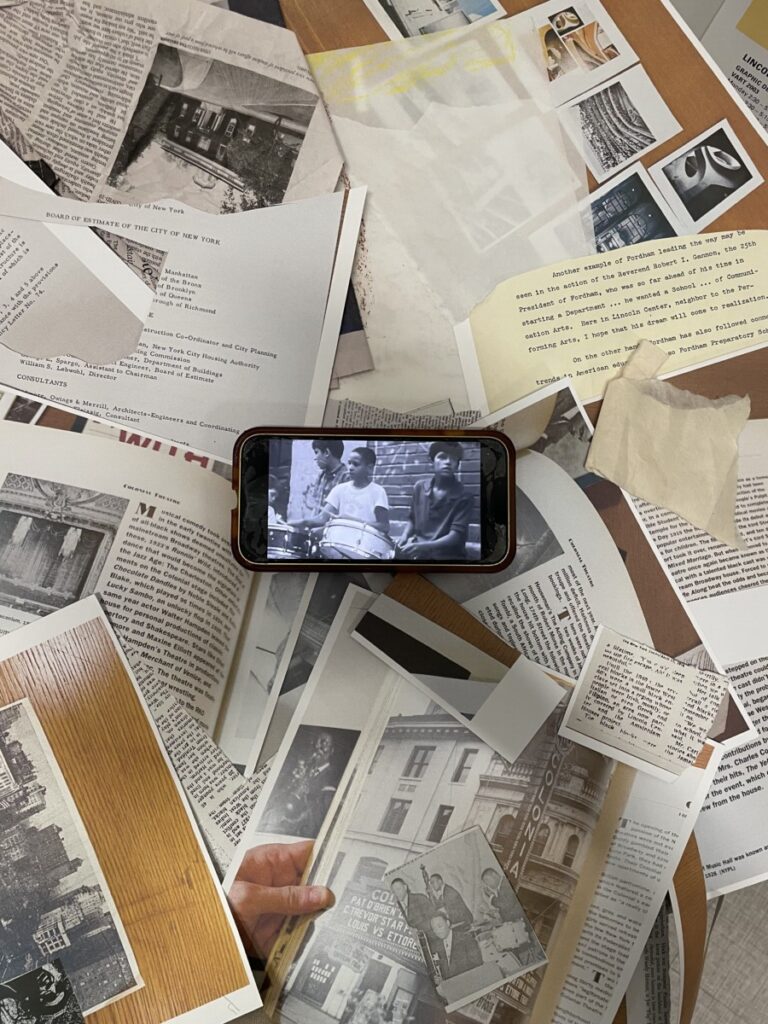
In VART 2222 Art of the Interview, students record interviews with community members who discuss the past, present and future of the Lincoln Square neighborhood, which was demolished in the 1950’s to build Lincoln Center for the Performing Arts, Fordham College at Lincoln Center, and other developments.
This Fall 2025 class was generously supported by funding and staff at Fordham’s Center for Community Engaged Learning
On Wednesday December 17th, the Fall 2025 class presented videos highlighting various stories at Good Shepherd Faith Presbyterian Church, where many interviewees are members:
This short film by Nora Kinney features interviews with Freddie Richardson, Humberto Pichardo, Jackie Brown Richardson and Tanisha Hill
Good Shepherd-Faith Presbyterian Church, by the way, is the last standing church to predate the Lincoln Center urban renewal project that demolished the rest of the neighborhood, and has a rich civil rights history.
Video by Ayden Suber, featuring a story told by Huberto Pichardo
Lauren Vaughn and Kylie O’Toole made this video from an interview with longtime Lincoln Square community member, Mr. Freddie Richardson
Phillip (Rohde) Costello created this piece from interviews with Freddie Richardson and Humberto Pichardo.
Here is Amanda video featuring stories told by Freddie Richardson and Tanisha L. Hill.
Sage Rochetti’s video features stories by Freddie Richardson and Tanisha L. Hill.
Ulrike Ottinger is described by Richard Brody of the New Yorker as “One of the crucial modern filmmakers… For Ottinger, the play of imagination is an essential realm of freedom, a way for women to defy and liberate themselves from the misogyny that’s embedded as deeply in consensus styles as in consensus politics.” As part of her New York tour, Ulrike Ottinger will screen an hour-long excerpt of her 12-hour long film, Chamissos Schatten (Chamisso’s Shadow, 2016) and then take part in a short conversation with scholar Dr. Nora Alter, who has written extensively about Ottinger’s work. More event info here.
Chamisso’s Shadow (Germany 2016, 720 min [excerpt is 53 min])
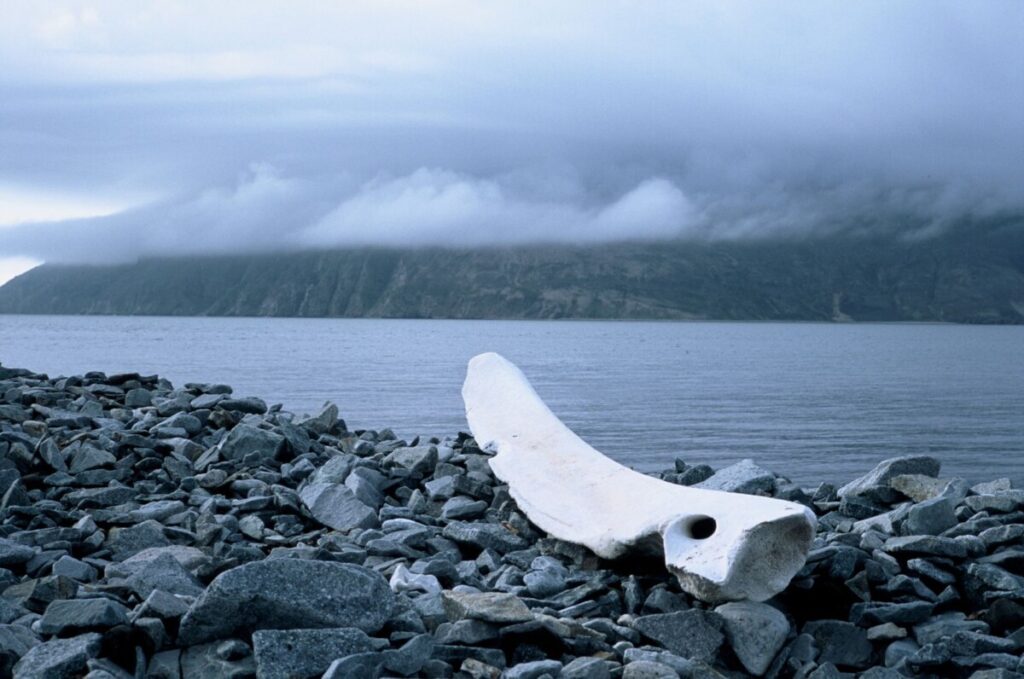
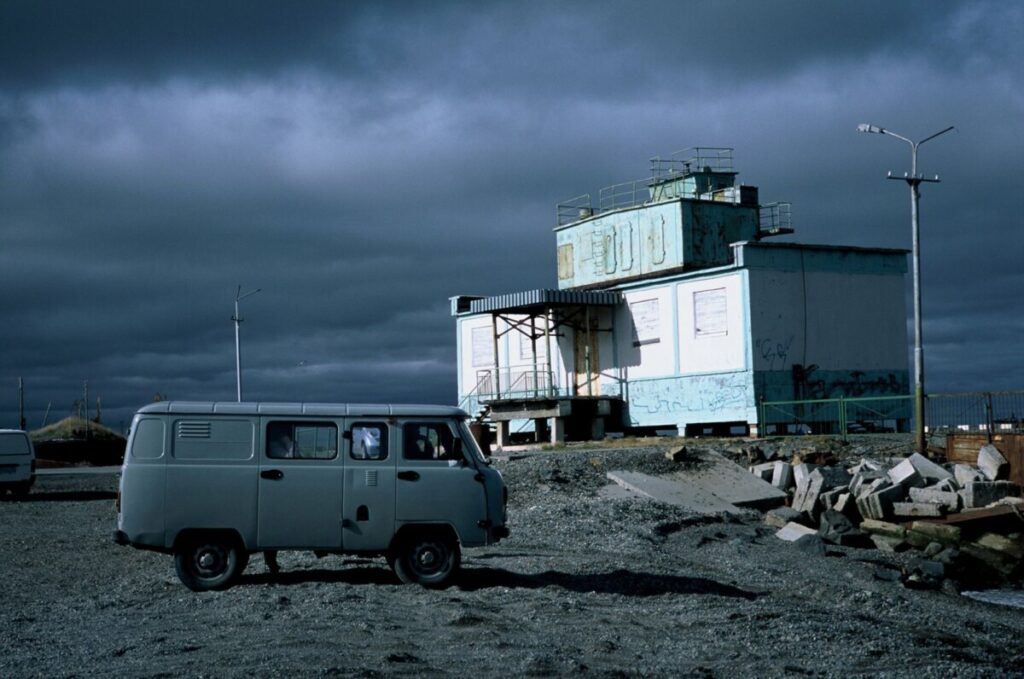
Adelbert von Chamisso accompanied the Romanzow research expedition on the Rurik from 1815 to 1818 as a botanist. Inspired by his descriptions as well as those of the other great explorers such as Forster and Anderson with Captain Cook, Steller with Bering and Humboldt I came up with the idea to create a cinematic evocation of these travel experiences, both past and present. I believe the past and the present of these journeys belong together and can’t be separated just like poor Schlemihl and his shadow in Chamisso’s ‚Wondrous Story’, where Schlemihl seeks to recover and reinstate his lost shadow as he travels through the world.
“But there on the sunny sands, a human shadow, not unlike my own, slid past, wandering alone and seemingly strayed from his Master. This sight awakened in me a powerful drive: shadow, thought I, are you looking for thy Master? Your Master I will be.” – From Schlemihl by Adelbert von Chamisso
Readings from the many, very vivid, observations from those early explorers will be combined with my visual materials. Together they contrast and complement and enter into a dialogue that tells of the loss of knowledge of ancient cultural techniques and about learning a new. The desperation and the disintegration will be manifest but maybe, in some cases, this will provide a sense of relief, for it may show that it is only through comparison with the past that progress and change can be made visible.
This event is presented by Fordham University and Microscope Gallery as part of the Fordham course Intro to Art & Engagement: Protest, Participation, the Public, and Other Performance Practices, taught by Catalina Alvarez.
Admission is free for all Fordham students with ID.
The event is conceived and organized by Catalina Alvarez, with co-organization by Jennifer Moorman. Support comes from Fordham’s Center for Community Engaged Learning and the Departments of Theatre and Visual Arts, Communication and Media Studies, and Women’s, Gender, and Sexuality Studies. The film excerpt is courtesy of the Arsenal – Institute for Film & Video Art.
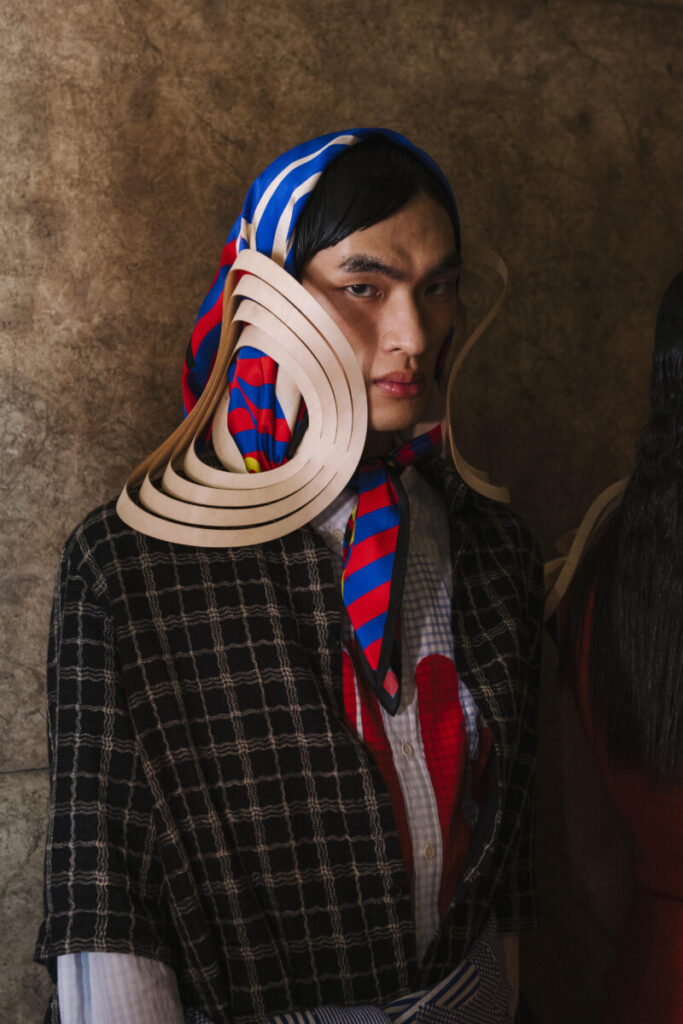
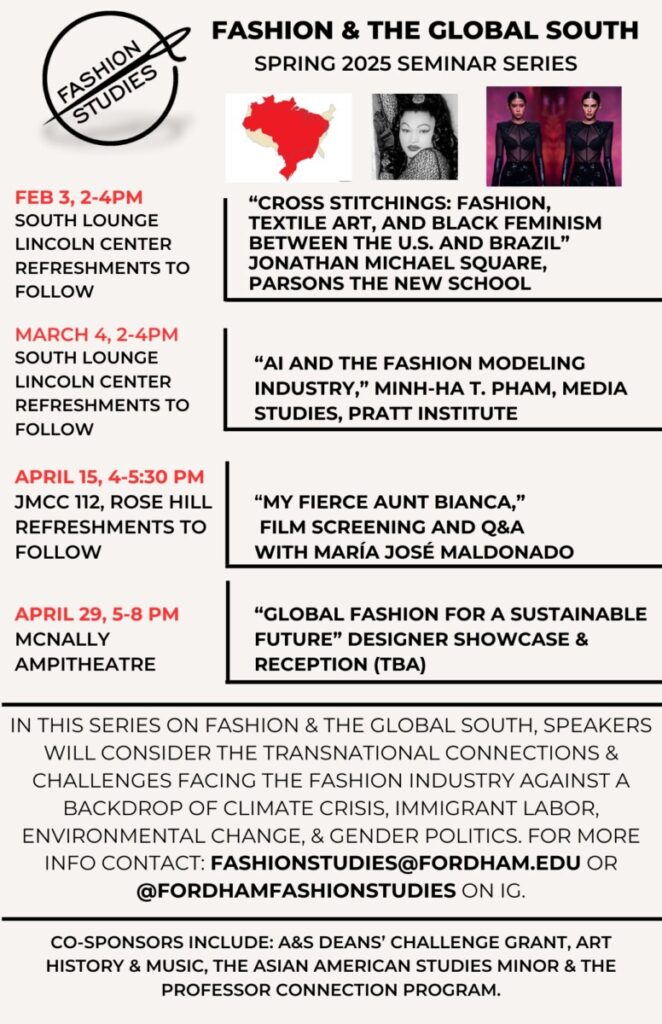
Join us for an evening of conversation about fashion and sustainability with renowned designers Henrik Visbskov (Denmark) and Brunela Ramirez (Peru). Our guests will discuss their design philosophies & how to create a collection from idea to fabrication. Original designs and garments to be showcased!
5 – 6:30pm Designer Conversation
6:30 – 8pm Reception with food and drink
Co-sponsored by A&S Dean’s Challenge Grant, Professor Connection Program, Center for Community Engaged Learning, Fashion Studies, Art & Engagement at the Visual Arts Program and Gabelli School of Business. Organized by Fashion Studies Program Director Robb Hernández & Fashion Studies Executive Board members Alexandra M. Thomas & Catalina Alvarez.
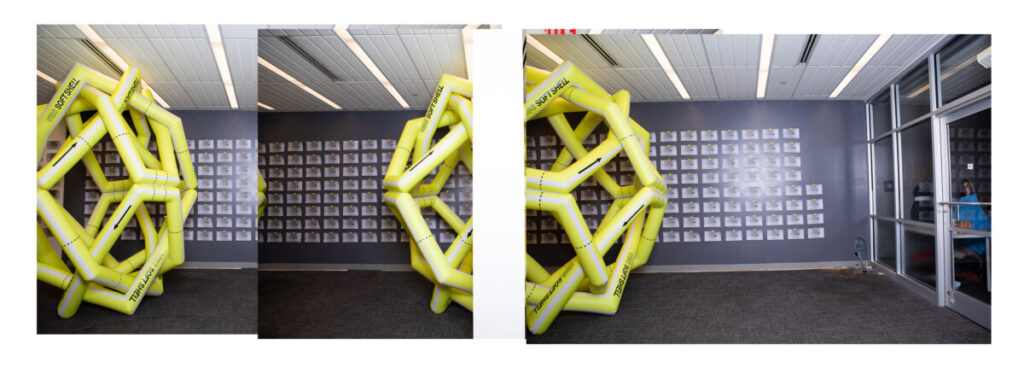
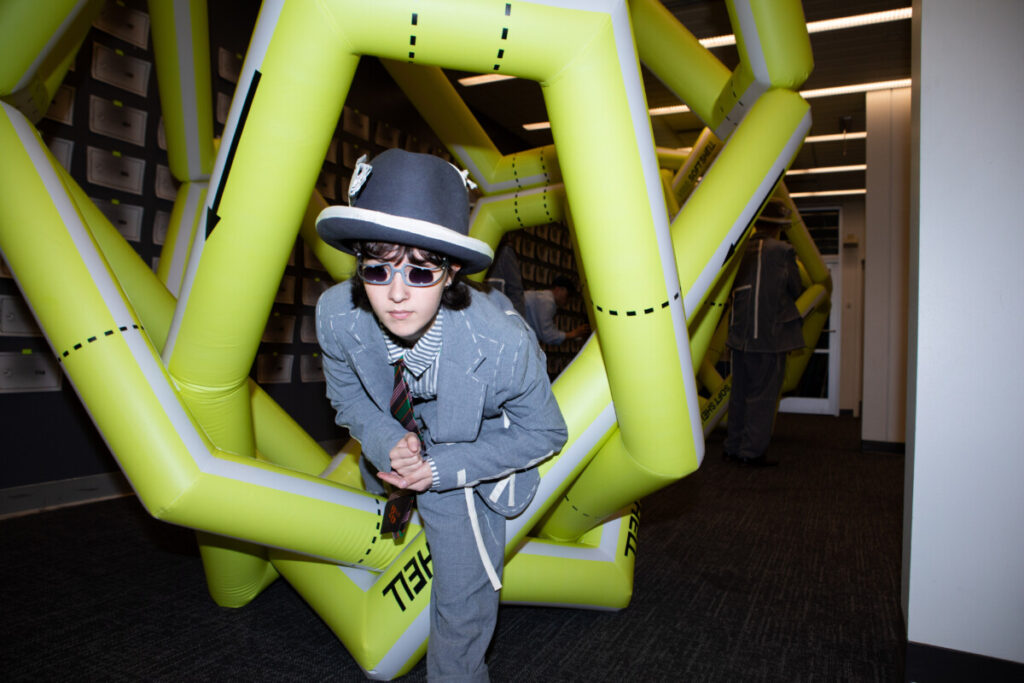
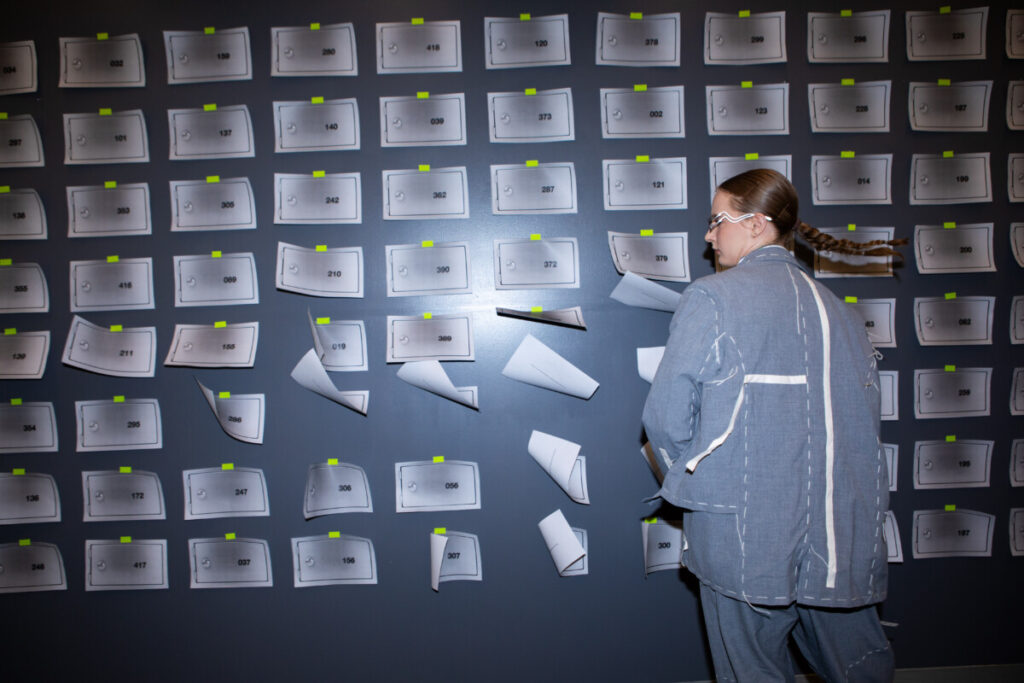
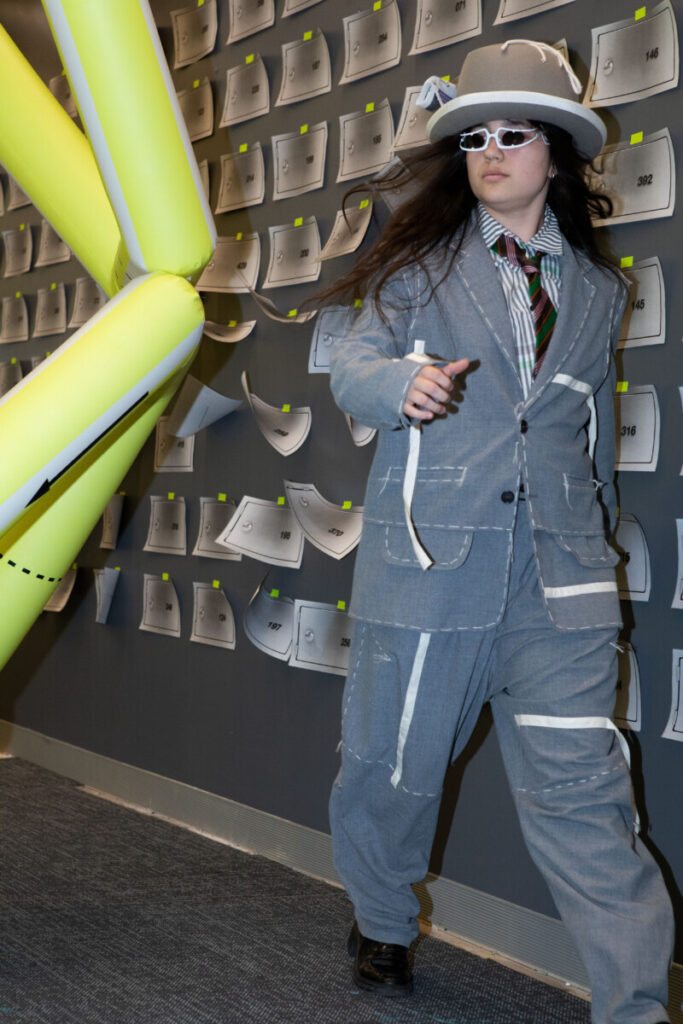
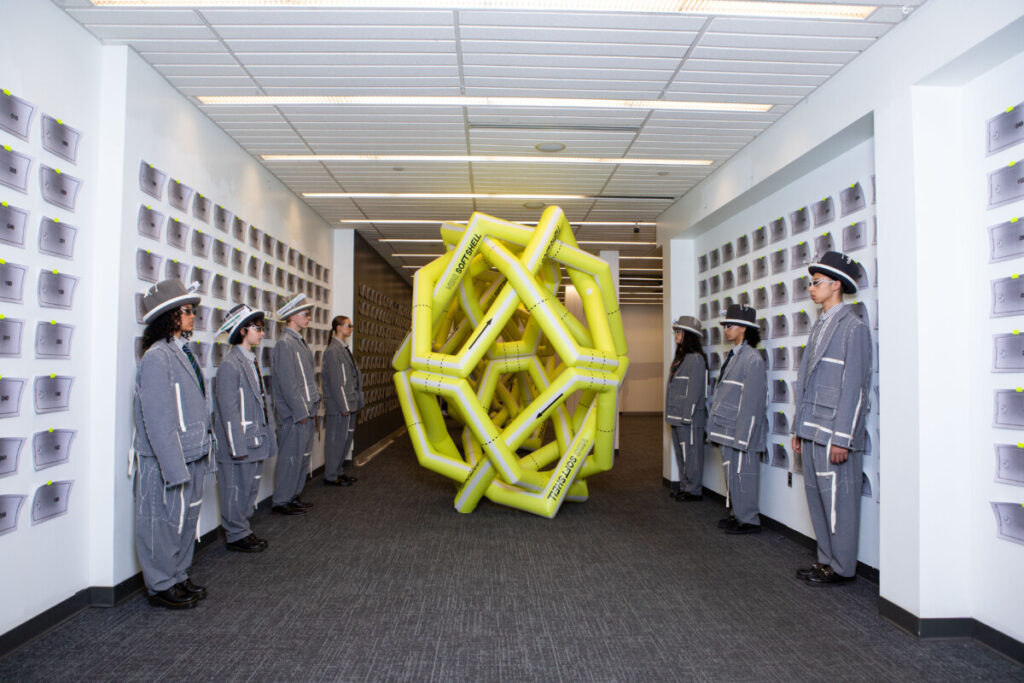
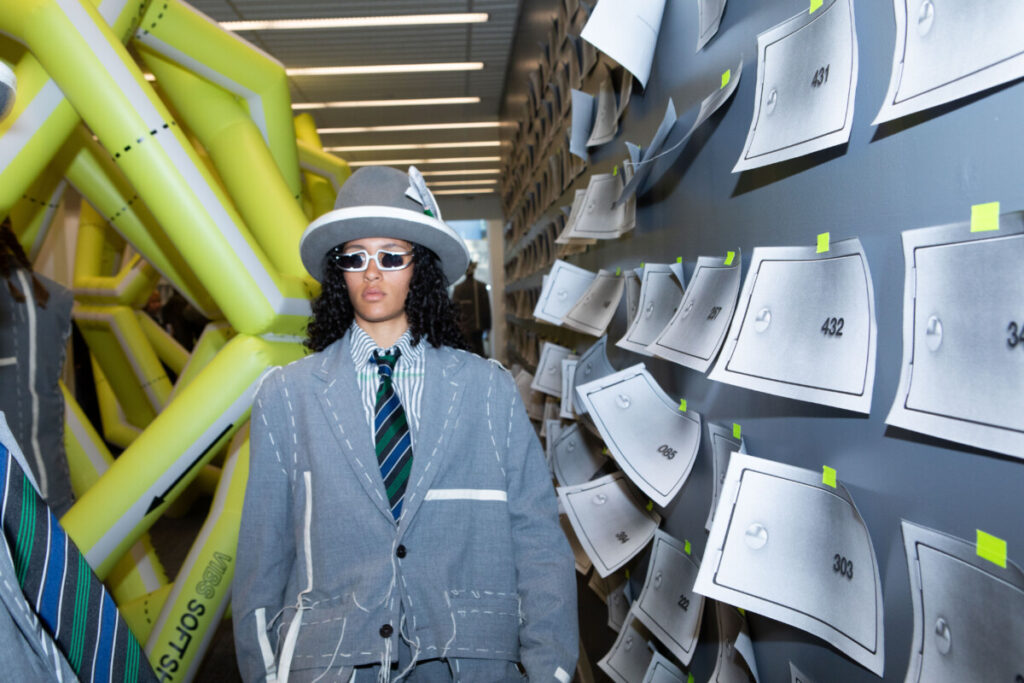
Once a space of wealth and restriction, this former bank in Brooklyn New York was transformed into a soft, surreal stage. Inflatable structures pressed against the architecture, between floor and ceiling, like swollen memories of security, like the last breath of the institution trying to hold its place in a world that’s moved on. The printed bank boxes hinted at past obsessions with protection and power. They fluttered, flew off with the slightest breeze, turning the walls into living symbols of financial volatility.
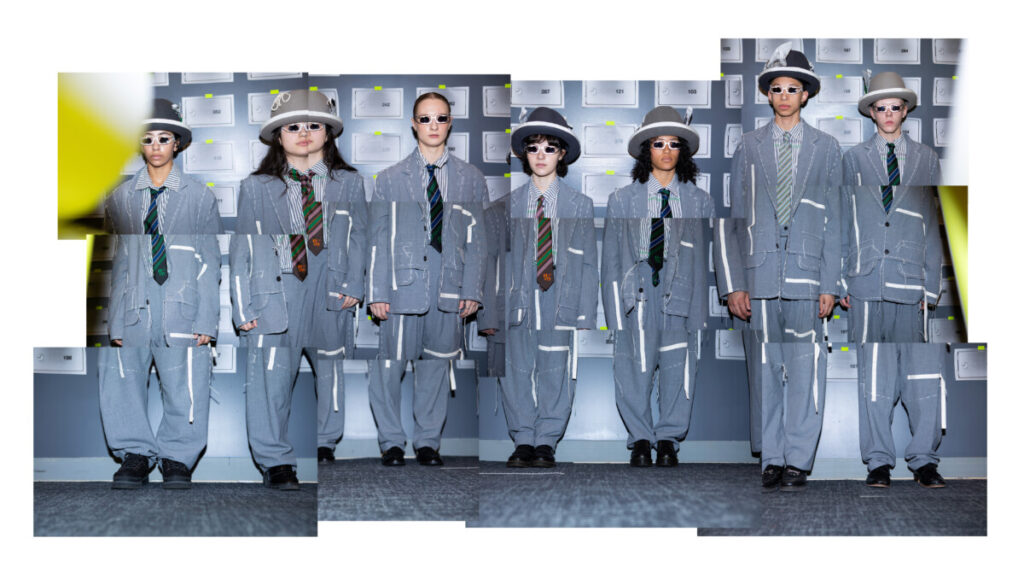
Dancers, dressed as bankers, performed a 10-minute ritual at regular intervals— echoing, mocking, and ultimately shedding the gestures of the financial world : Their gestures mimiced the mechanical rituals of old finance: stamping papers, tightening ties, shaking invisible deal hands. But gradually, their movements loosened, their rhythm broke, the suits become costumes rather than uniforms. A farewell to a broken system. A welcoming of creative chaos.
All visitors received a key to the bank box when they arrived at The Bank.
Fordham University – Henrik Vibskov- The Bank Is Dead – Victor Jeffreys II – mode PR
Presented in partnership with Fordham’s Art & Engagement & Fashion Studies programs and the Center for Community Engaged Learning. Fordham partnership organized by Catalina Alvarez, in conjunction with April 29th event “Iridescent Worlds“.
Who is Henrik Vibskov?
Henrik Vibskov is a renowned and award-winning Danish fashion designer, artist, curator and musician.
Although commonly associated with fashion and the twisted yet tantalising universes created around each collection, Henrik’s creative practice covers multiple platforms.
Working in the intersection between art and design, his work ranges from fashion collections to installation, performances and exhibitions, always exploring creativity without limits and adapting the design approach to the changing contexts.
Since his graduation from Central St Martin’s in 2001, he has produced more than 40 fashion collections and exhibited in several international design fairs, festivals and museums all over the world, including MoMA in New York, Palais de Tokyo in Paris, The 21st Century Museum of Contemporary Art in Kanazawa and the ICA in London, to name a few.
Next to the biannual fashion collections, he has also designed costumes for numerous operas and performances, including collaborations with Hotel Pro Forma, the Oslo Opera House, The Swedish National Ballet and the Brussels Opera House.
Most recently he designed the costumes for the ballet “Hammer” by Alexander Ekman at the Gothenburg Opera in Sweden. As a musician, Henrik keeps himself occupied as a drummer currently with his band Luksus, who are to perform at Syd For Solen Festival 2023 in Copenhagen. He has also played with Hess is More, his own project Mountain Yorokobu, Mikael Simpson and Trentemøller, who he toured the world with for 6 years.
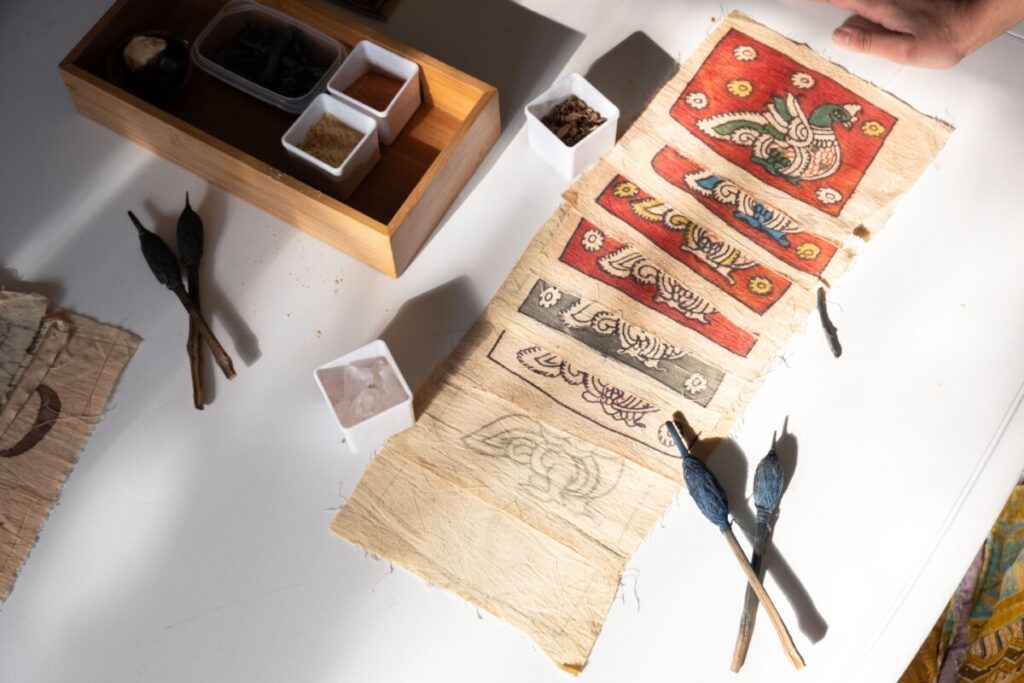
Introduction to Kalamkari | Workshop with Nikita Shah ?>
Kalamkari is a 3,000-year-old textile craft that originated as a medium of storytelling using a bamboo pen and natural dyes. This traditional art form involves at least 23 individual stages and is currently practiced only in Sri Kalahasti, India.
This workshop given by Fashion Designer Nikita Shah consists of a live demonstration and a simultaneous critical discussion of its history. Participants learn to create a simple piece of kalamkari.
WORKSHOP STRUCTURE: Brief presentation on history of Kalamkari (30-40 mins) Demonstration & creation of kalamkari piece (1-2 hours)
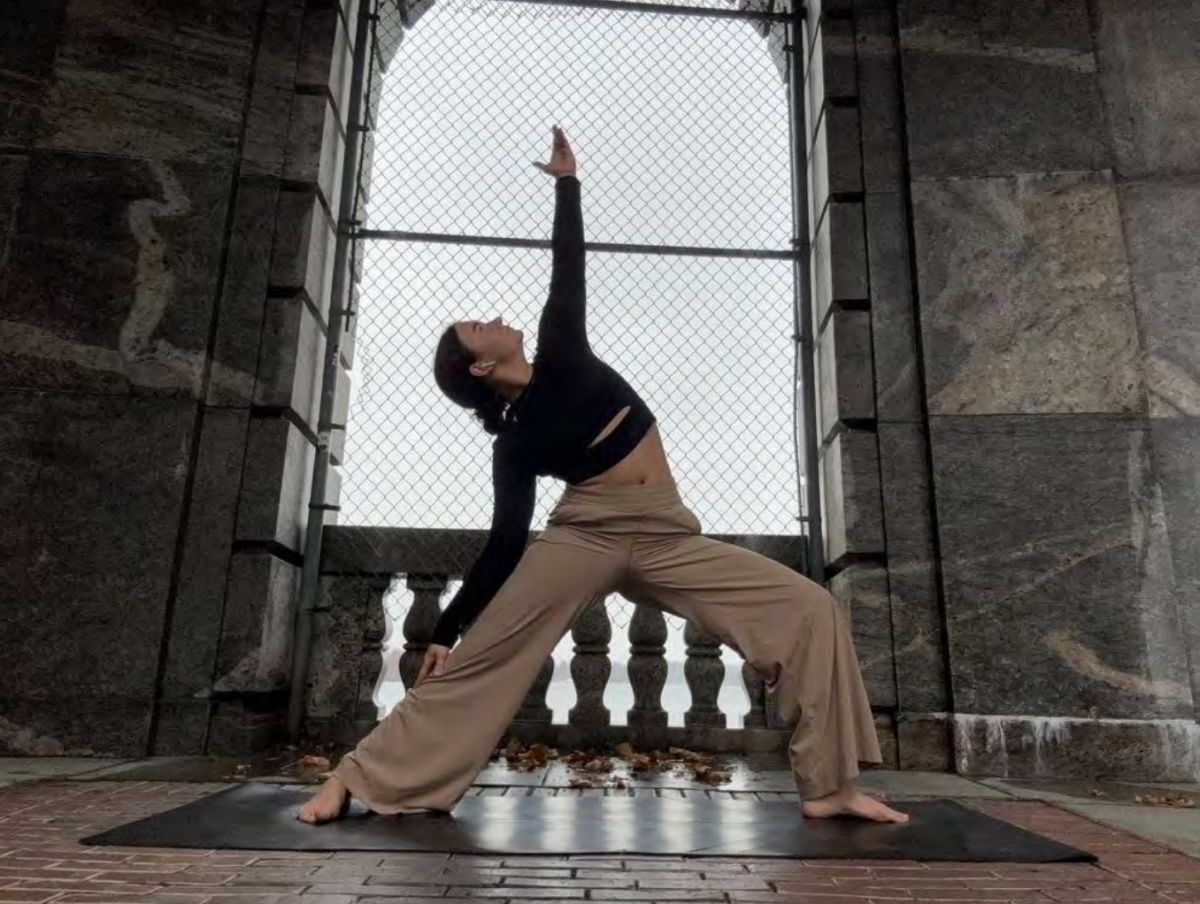
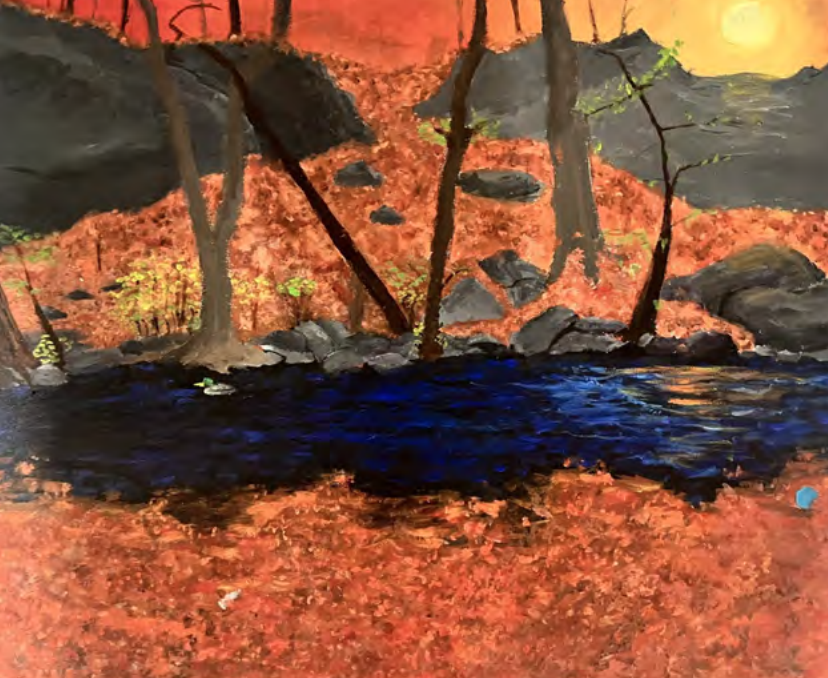
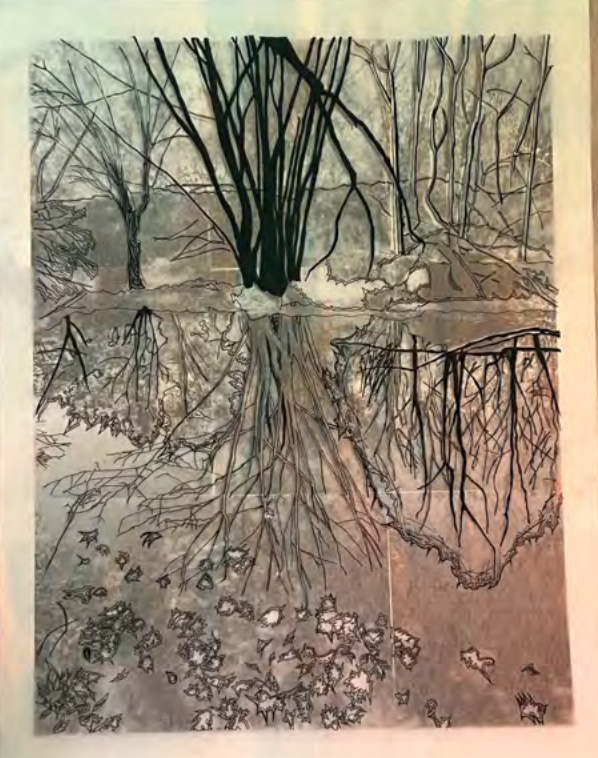
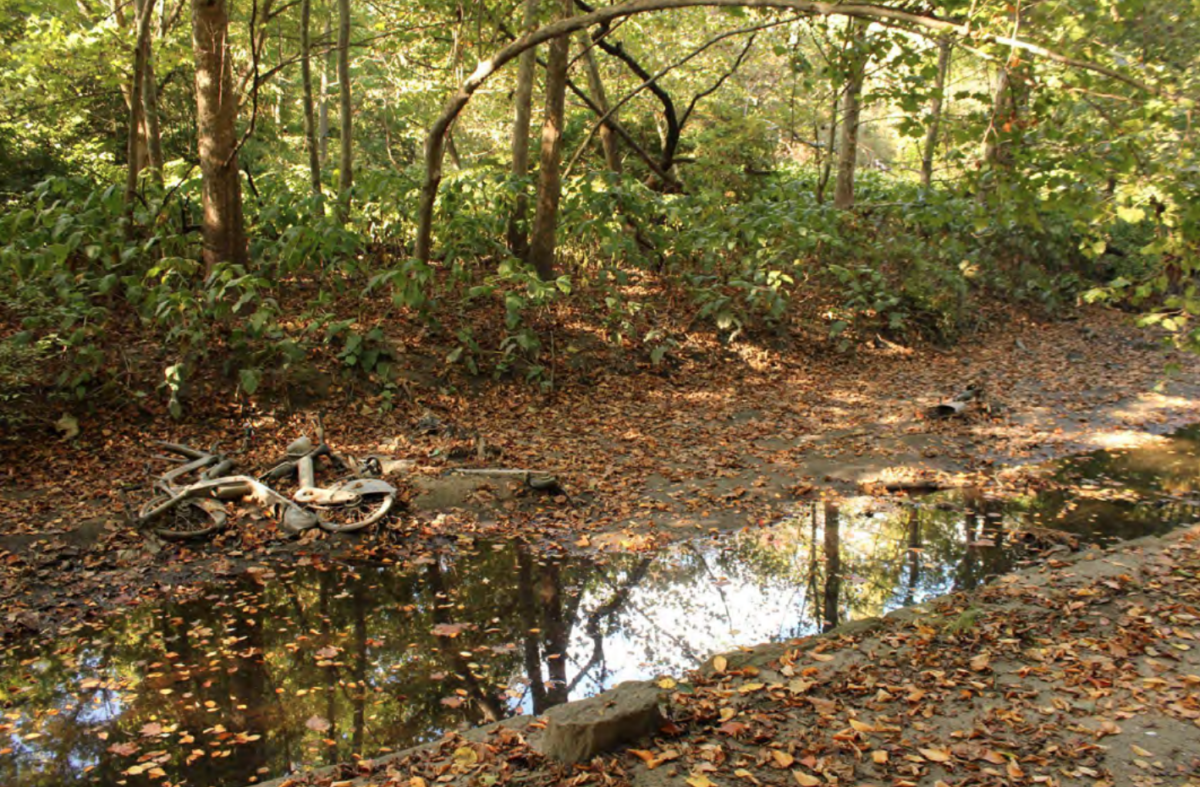
The Fall 2024 semester of “Art and Action on the Bronx River” at Fordham culminated in an array of 12 individual student projects ranging from a mini-documentary, to a dance piece, to a 24-mile walk, as well as a number of other artworks. Taught by Professor Matthew López-Jensen, the course explores the intersection of art, ecology, and history, specifically focusing on the Bronx River and the communities surrounding it. For their final projects, students were tasked with creating ambitious works that responded to the river in creative and thought-provoking ways.
REFLECTIONS: GRACE ON THE WATER
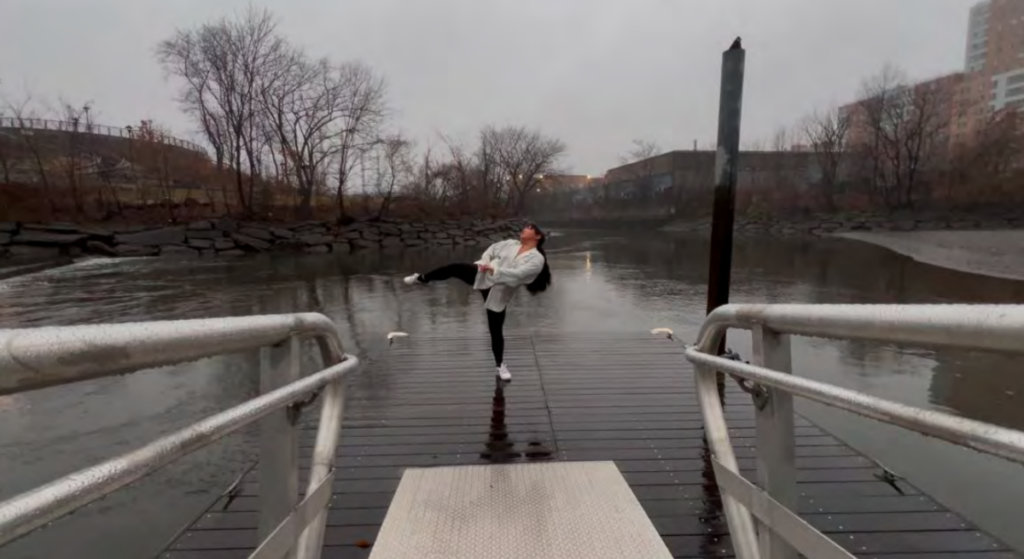
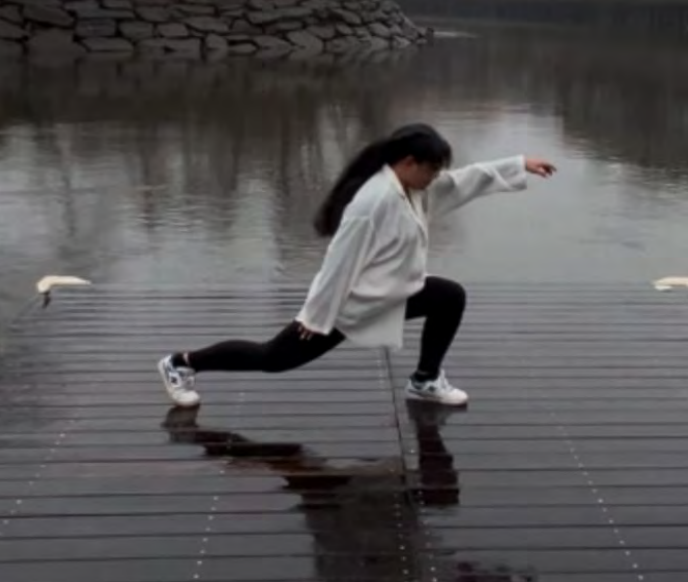
Emerging artist Tori Garcillano has taken to the Bronx River to create a statement piece that implores viewers to consider the ways in which the art of dance can allow people to honor their bodies and surroundings. Her question is as follows: dance does not only exist in studios or on stages but in the very way that we interact with the world around us.
In this video piece, Garcillano dances her choreography on a dock atop the Bronx River at Starlight Park, directly across the way from the Bronx River House. In between moments of choreography, she has added brief clips of sights from the riverbank, focused mostly on the movement of the water. Just as water creates reflections, Garcillano views her movement as a reflection on the ways in which dance is an expansive art form that exists beyond the body itself.
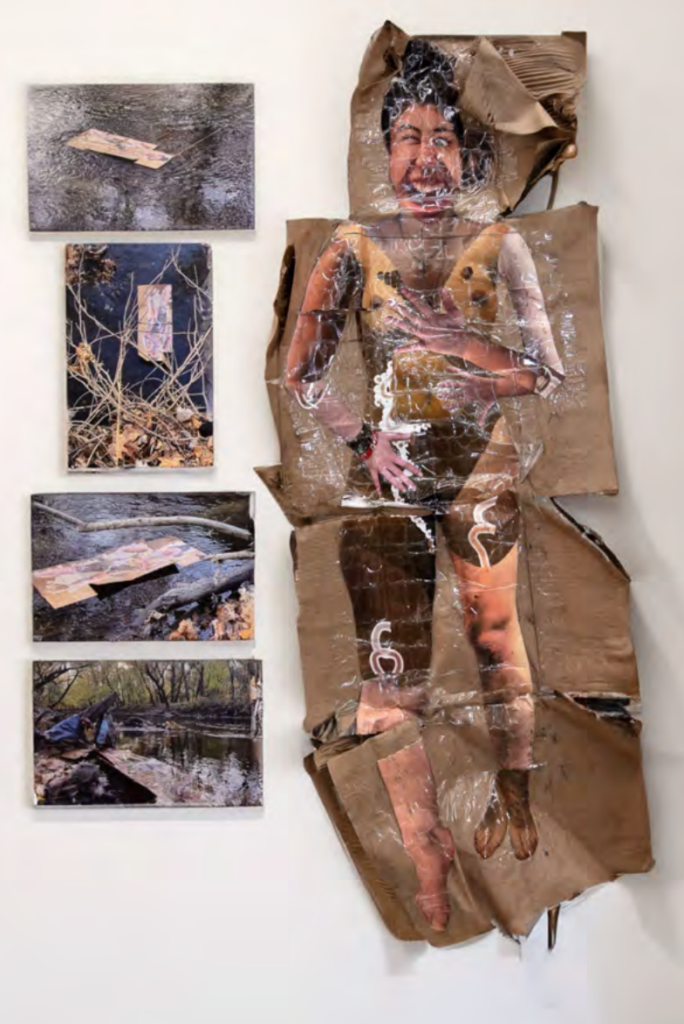
When asked to describe her piece, collage artist Julia Mancini said it all began with a question- “Can take your picture?” From here, she collected body parts: a foot from a friend, her sister’s leg, and her own two hands. Her goal was to create a physical creature, a conglomeration of the people in her life, to bring to the river. “I wanted to exaggerate the inaccessibility of reaching the river and construct a reality where I could bring all of these people there, a reality where they could even swim in it.” She sought to create a symbolic creature with Photoshop to be blown up, printed, and then secured to an outstretched cardboard box and sealed with clear packing tape.
24 MILES, 19 FRAMES, 1 DAY
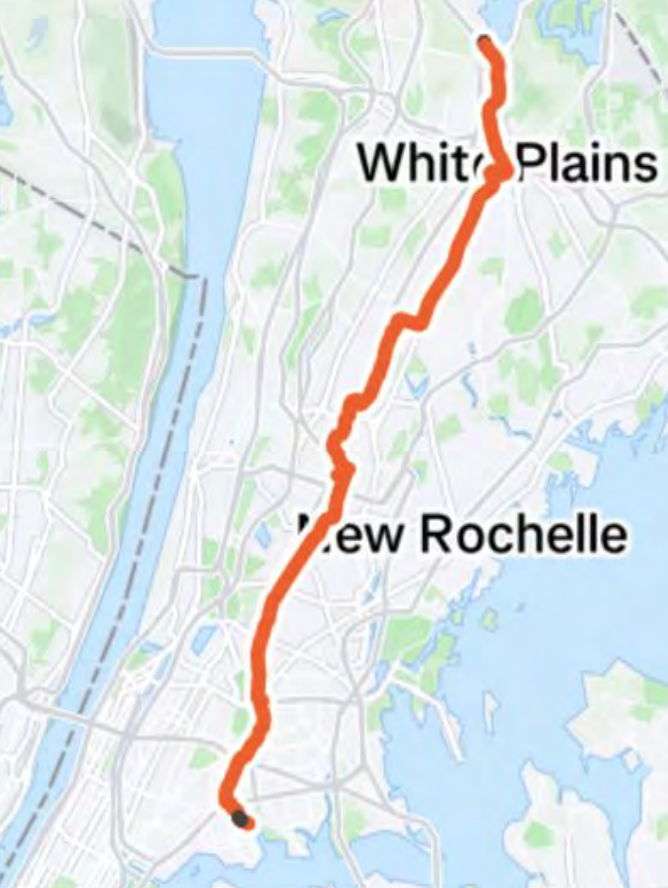
Patrick Dolan embarked on a 9-hour trek spanning the entire 24-mile length of the Bronx River. His journey took him from the busy metropolis to the small forests of our city, capturing the diverse ecosystems that exist within the city’s veins.
The journey began at Kensico Dam in Valhalla, NY, and ended Soundview Park, where the Bronx River meets the East River, with the goal of trying to stay as close to the river as possible during the journey. The Bronx River, once a vital waterway, now flows through a landscape transformed by urbanization, offering a unique perspective on the intersection of nature and human development.
“Sound Waves of the Bronx River” BY CHRISTIANA STAUB
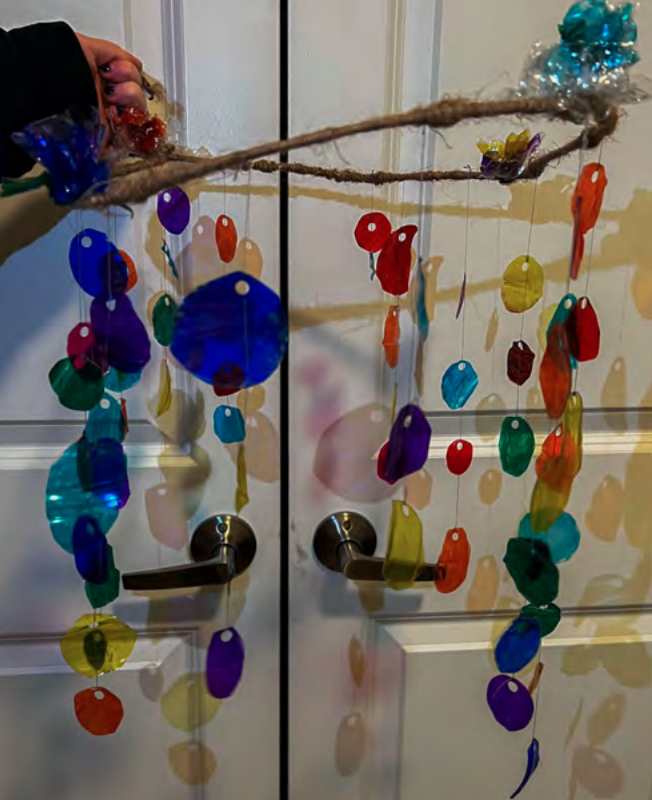
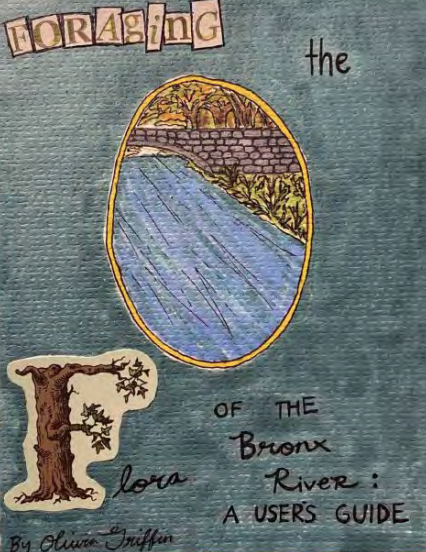
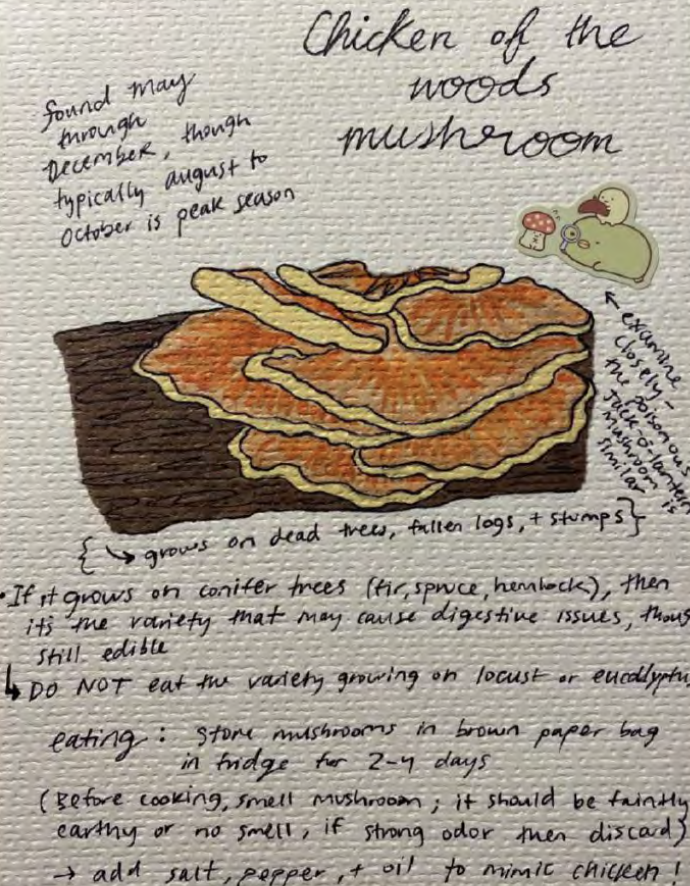
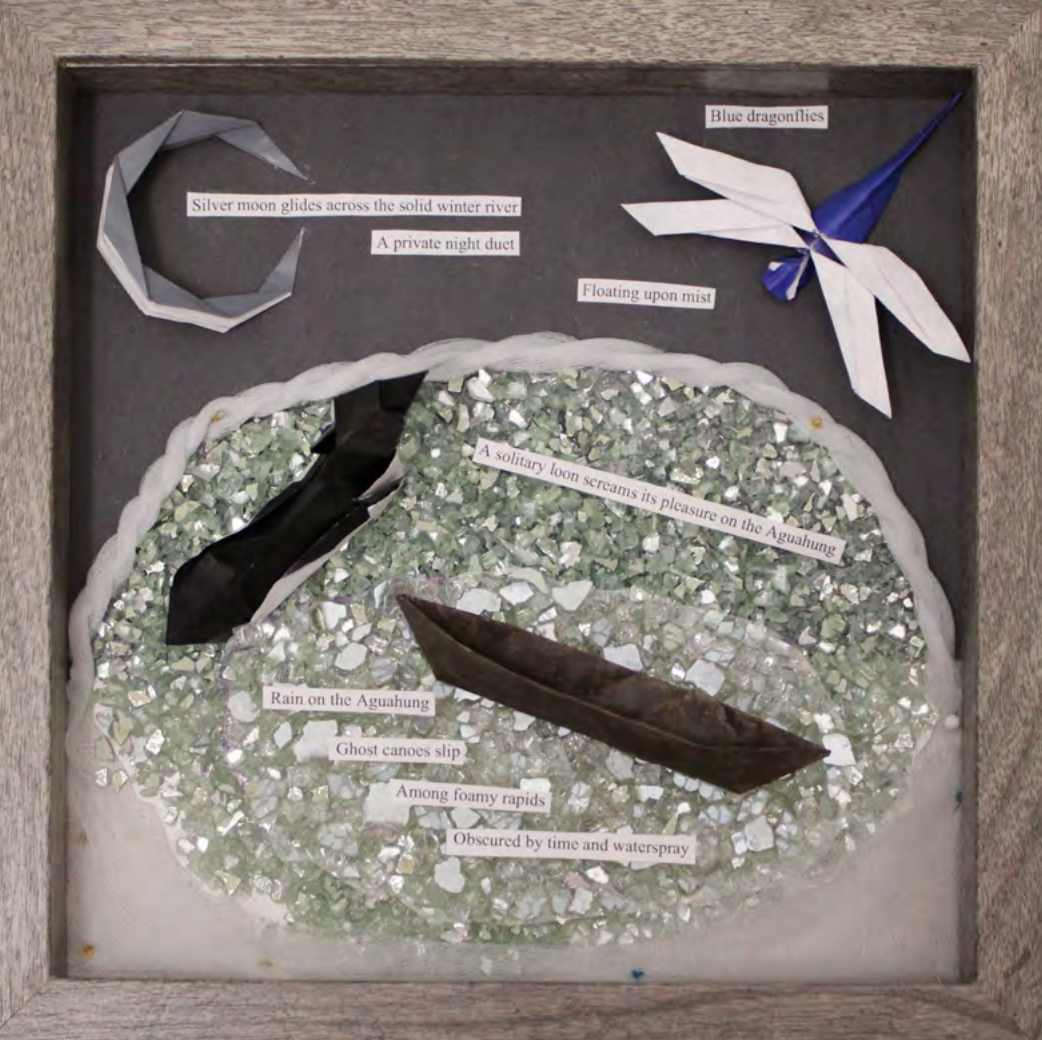
Artworks by students Maxanne Millerhaller, Nikki Phillips, Emily Torres, Olivia Griffin, Sofia Cordero, Guadalupe Vargas, Kelly Stanton, and Jonas Guzman.
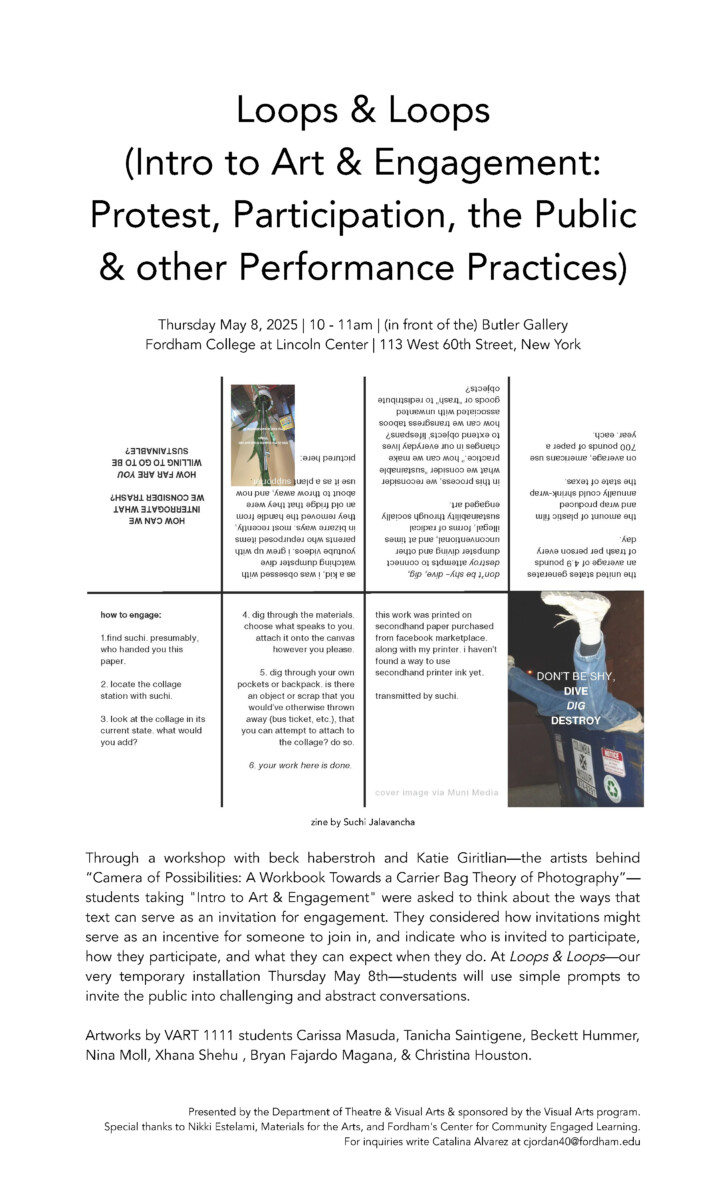
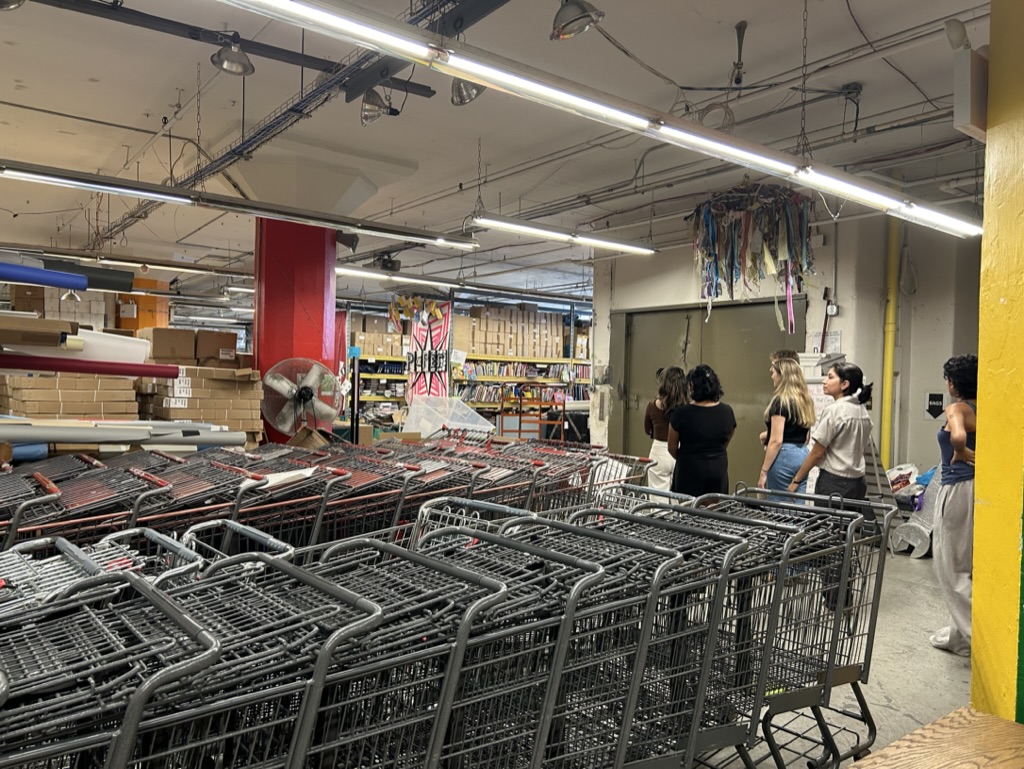
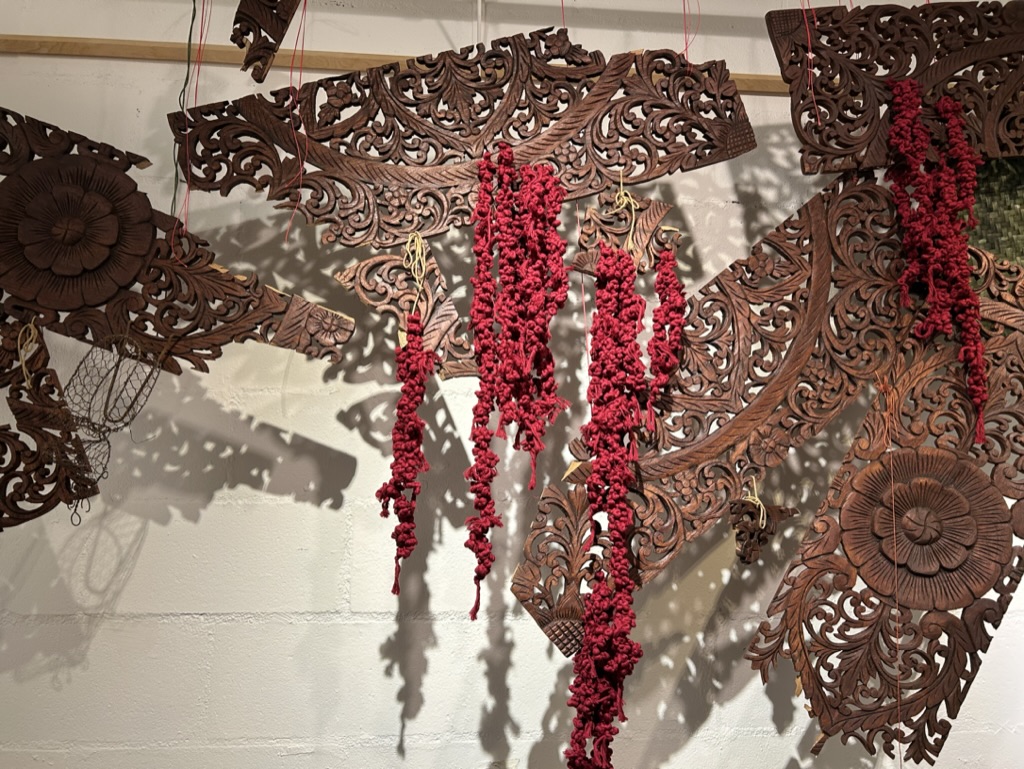
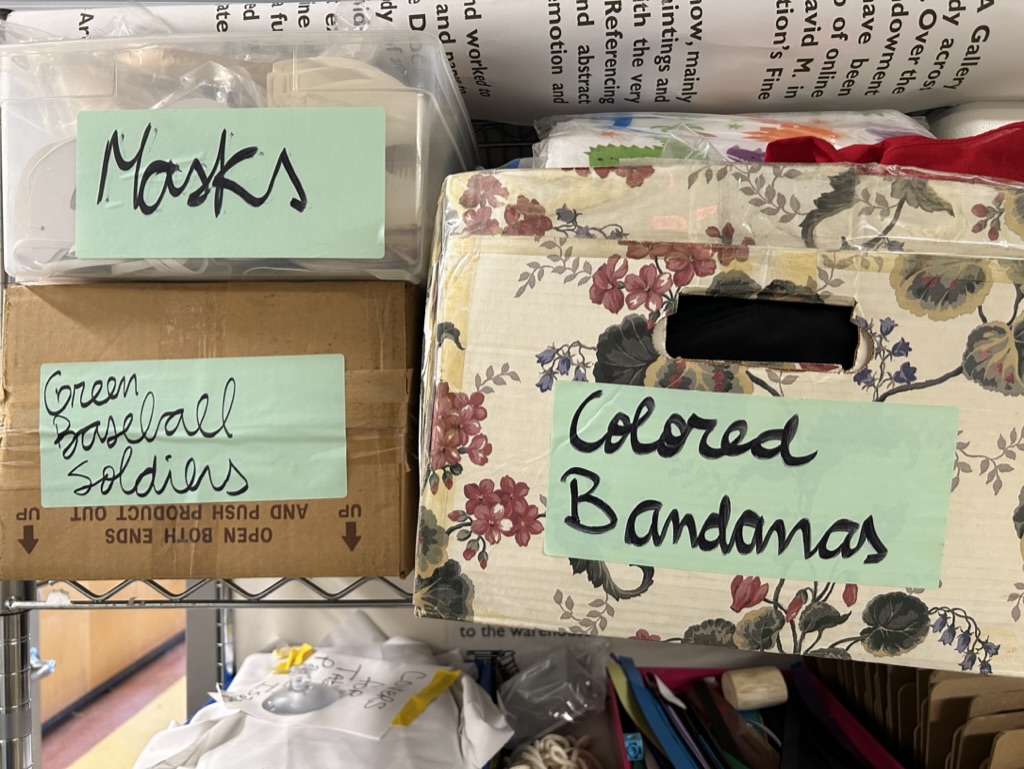
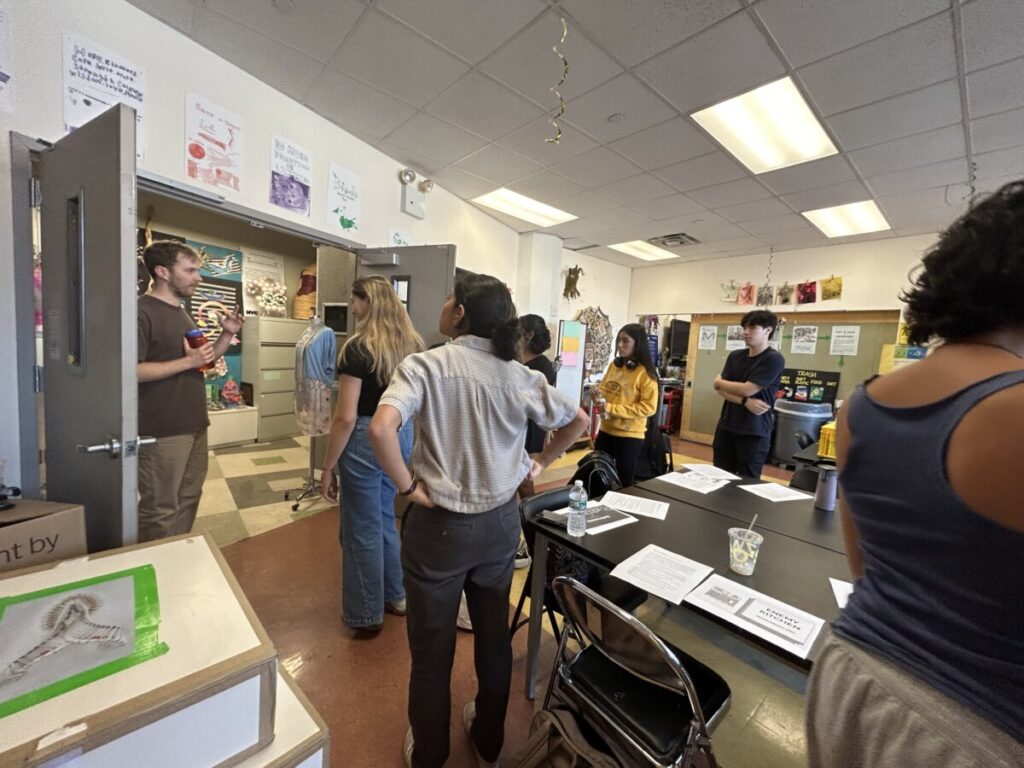
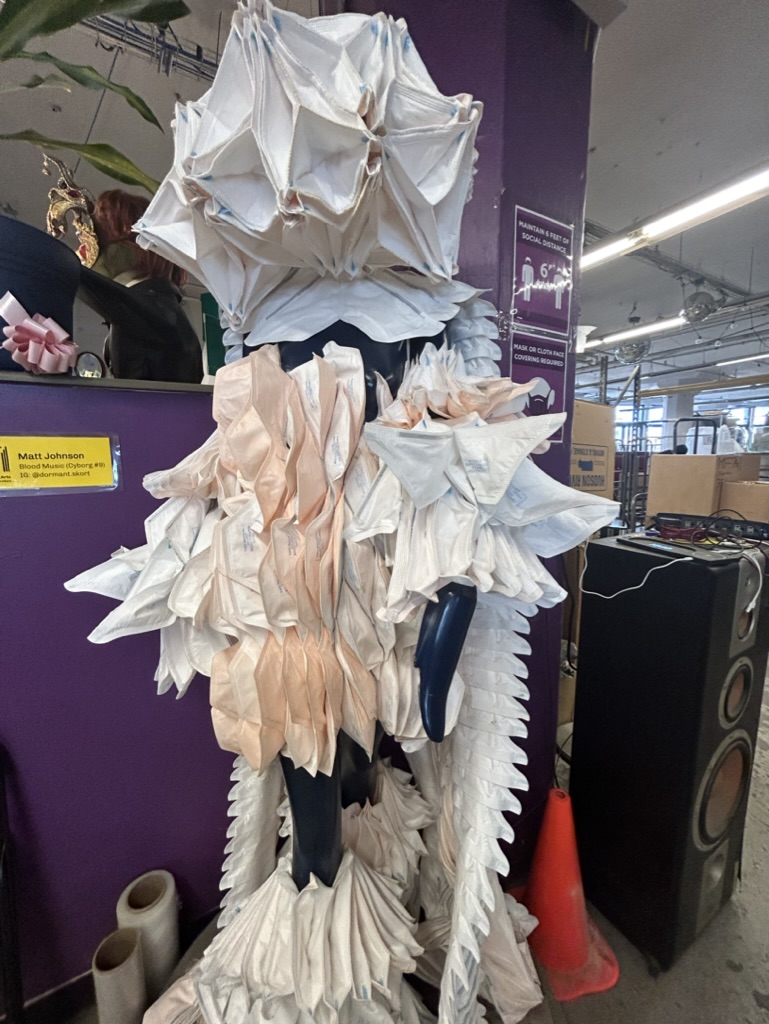
On September 16, 2024, students in the “Intro to Art & Engagement” course visited Materials for the Arts (MFTA), New York’s largest creative reuse center, to collect their art supplies. Everything at MFTA is free, as it would otherwise be discarded and end up in a landfill!
Afterwards, Education Coordinator, Will Niedmann, led students in a zine-making workshop, using found materials.