Category: Photography

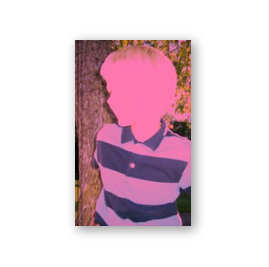
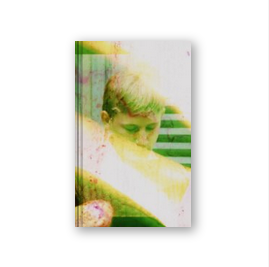
Photographs by Patrice Aphrodite Helmar ?>

Photographs by Patrice Aphrodite Helmar

“Most of us, no matter what we say, are walking in the dark, whistling in the dark. Nobody knows what is going to happen to them from one moment to the next, or how one will bear it. This is irreducible. And it’s true for everybody. Now, it is true that the nature of society is to create, among its citizens, an illusion of safety; but it is also absolutely true that the safety is always necessarily an illusion.” —James Baldwin

“One can hear all that’s going on in the street. Which means that from the street one can hear what’s going on in this house.” —Jean Genet

“It is a curious emotion, this certain homesickness I have in mind. With Americans, it is a national trait, as native to us as the roller-coaster or the jukebox. It is no simple longing for the home town or country of our birth. The emotion is Janus-faced: we are torn between a nostalgia for the familiar and an urge for the foreign and strange. As often as not, we are homesick most for the places we have never known.” —Carson McCullers

Polaris and Down By Law are ongoing bodies of work that I began in 2015. My photographs picture, but aren’t limited to, the dark mythology of the American dream and the timeless story of returning home.

In Polaris, characters, archetypes, and dreamlike landscapes inhabit 50 miles on a road to nowhere. I grew up in a working-class family catching salmon on a twenty-six-foot hand troller. My parents taught me where the north star was in the night sky. This was a practical instruction given in case I was ever lost in the woods or at sea. This constellation alluded to in literature, myth, and song has guided seafaring people for time immemorial. These photographs were made in my hometown of Juneau, Alaska. One of the few capital cities in the United States without a road to the outside world.

The photographs made in Down By Law are made as I’m headed home to Alaska in the summertime. In 2016, I bought a car to bring home to my family and drove from the Bronx to Alaska through the southern states and up through British Columbia. It was a roughly 8,000-mile journey that included a grand finale getting the car and myself into town on a ferry.

I was a resident with Antenna Gallery the following year and spent three months living in New Orleans. For the past five years, I’ve photographed rodeos in Texas, New Mexico, and Oklahoma. The rodeo is a contemporary colosseum and a meeting place for folks in big cities and small towns.

The history of photography is rife with work made by the upper classes. These visitors often have little connection to people and places they image. In my work, I’m not attempting to document or sensationalize working class, and queer life. I’m authoring what I would like to exist about my communities in contemporary culture.

I continue to return to the places where I make photographs. Revisiting friends, making new friends, meeting strangers, staying for as many weeks and months as I can before I run out of money or film or both, and letting the spirit move me.

—Patrice Aphrodite Helmar

Websites:
Patrice Helmar
Marble Hill Camera Club

Image caption: Rodeo Queen, Silver City, New Mexico, 2017
“Case Study Tokyo 2020” by the Gabelli School of Business is now Available! ?>

“Case Study Tokyo 2020” by the Gabelli School of Business is now Available!

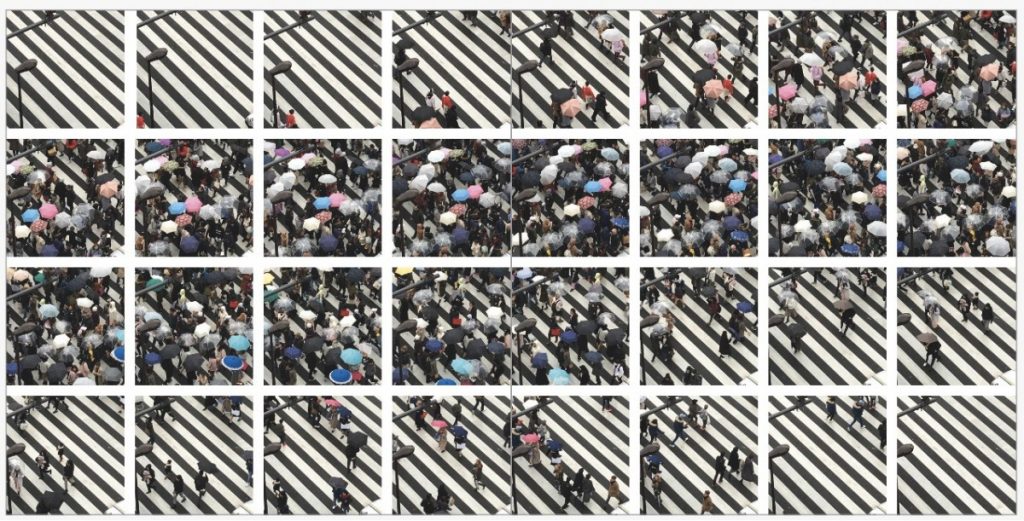
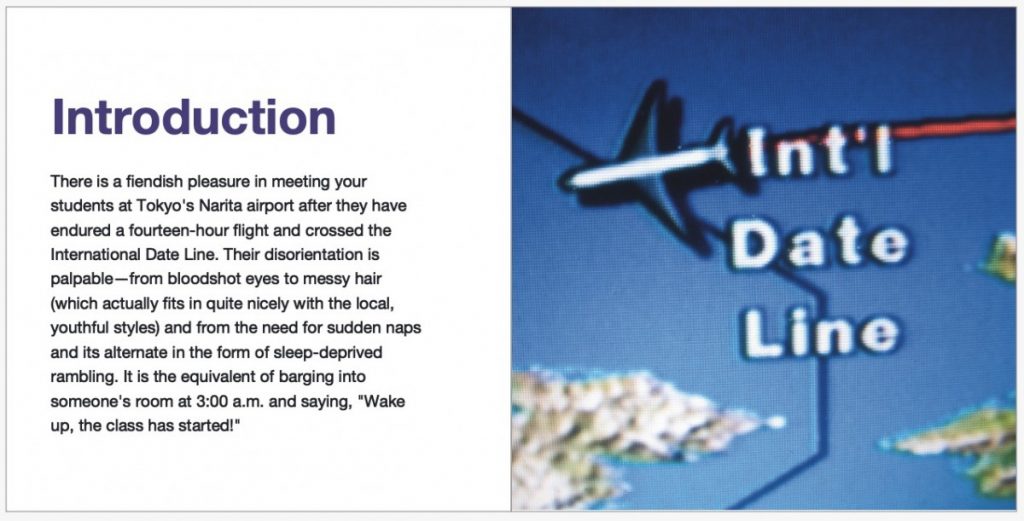
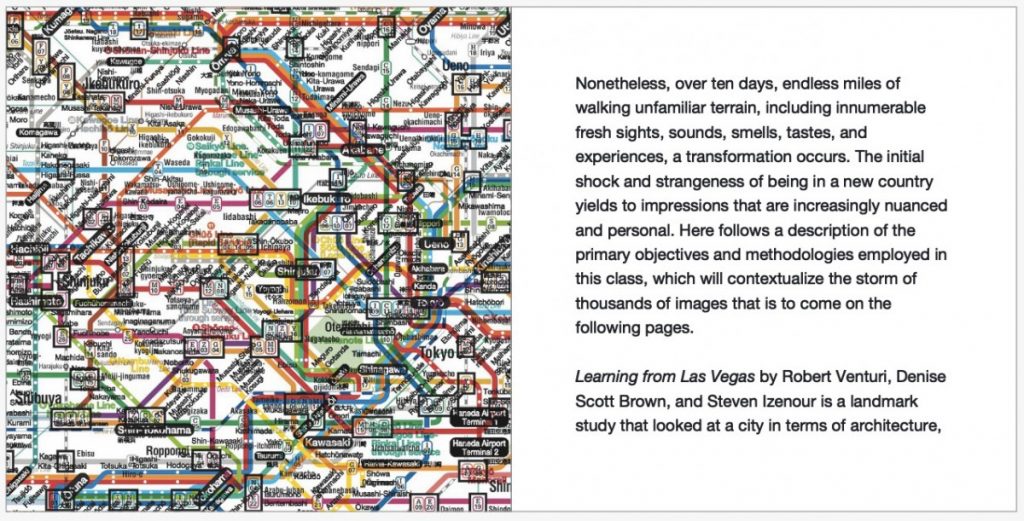
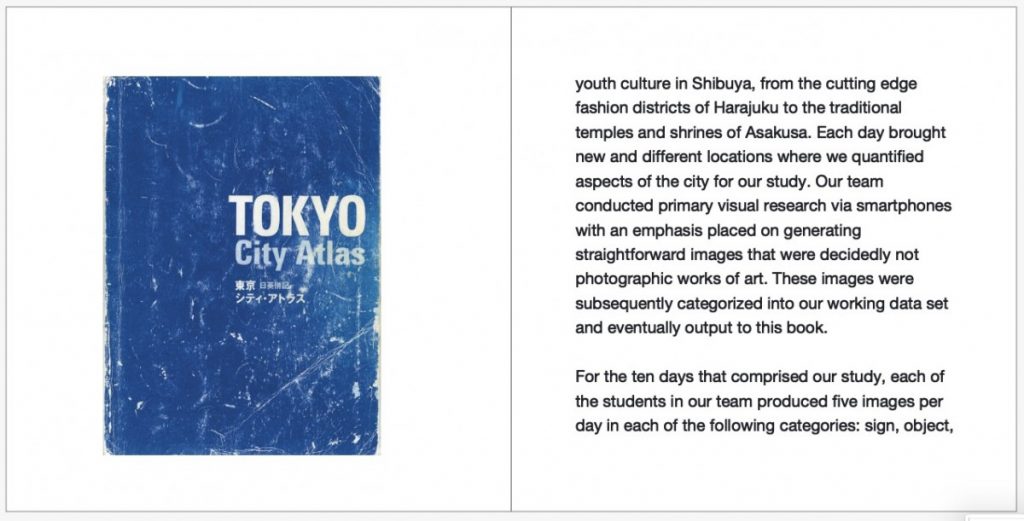
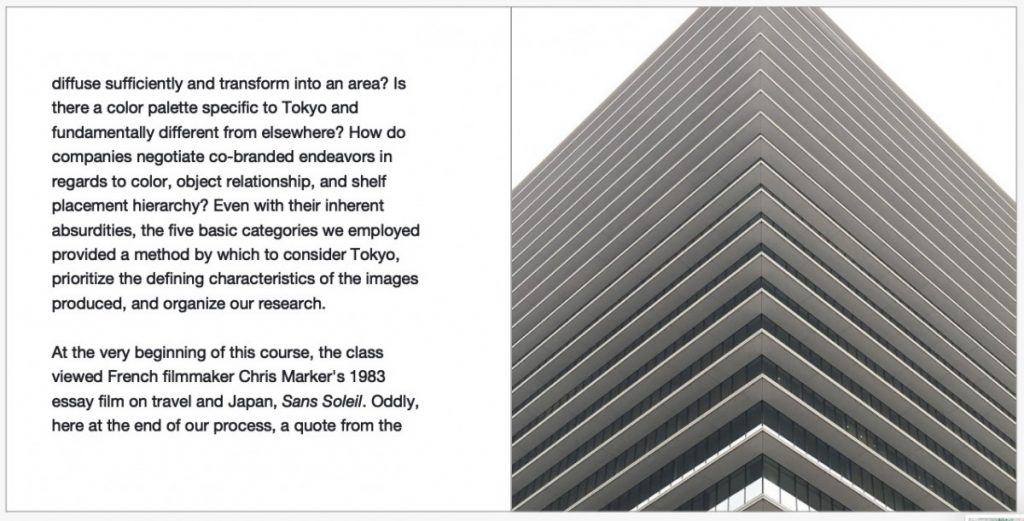
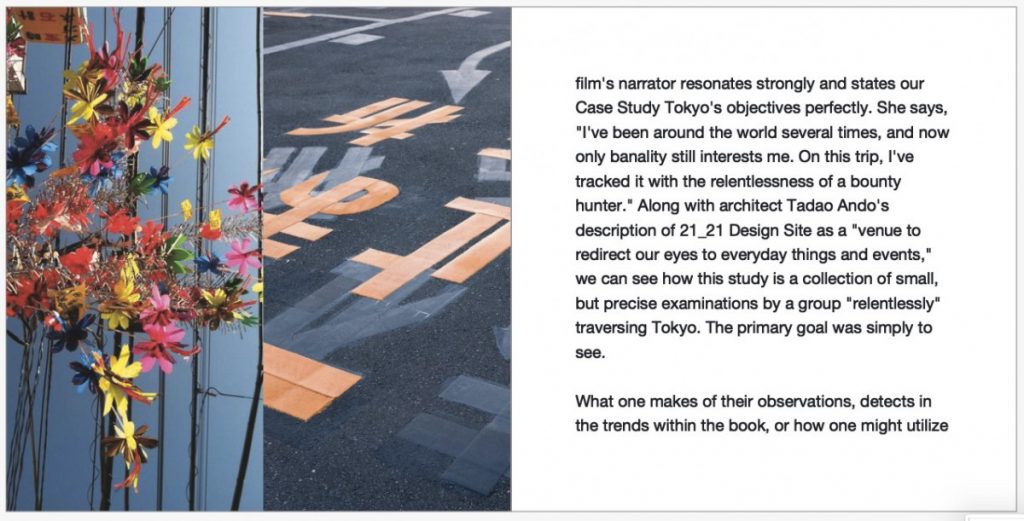
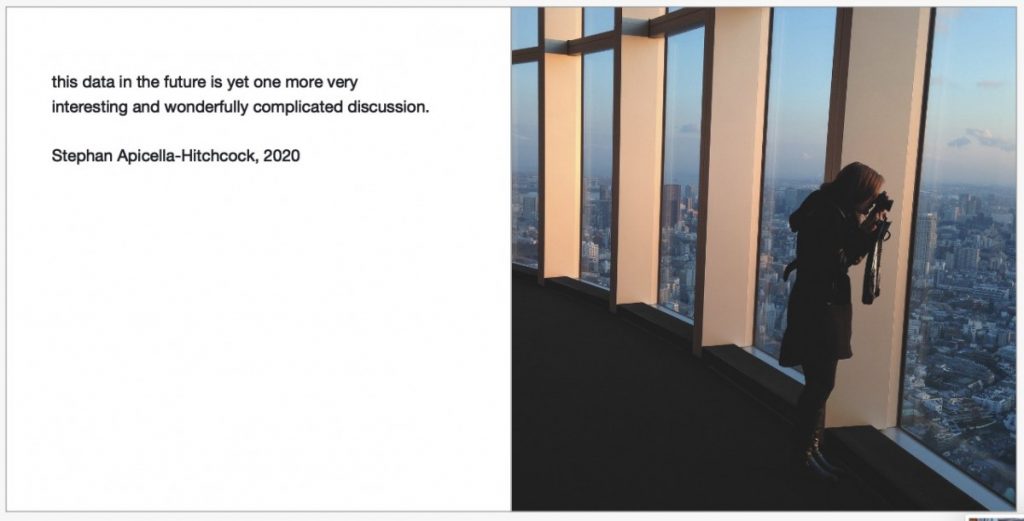
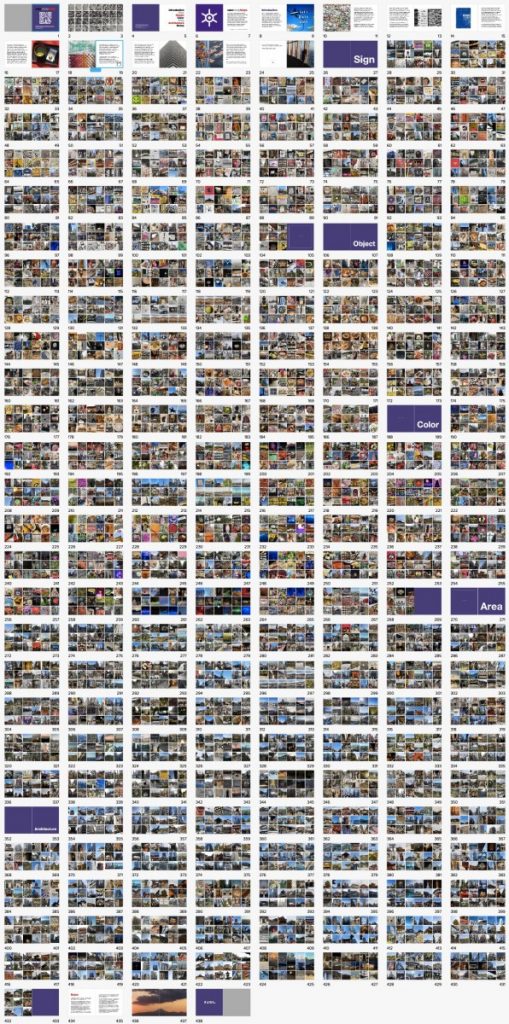
I am pleased to announce to you the completion of a project that is very dear to me. Clocking in at 438 pages with over 4500 images, Case Study Tokyo 2020 by the Gabelli School of Business is finally here!

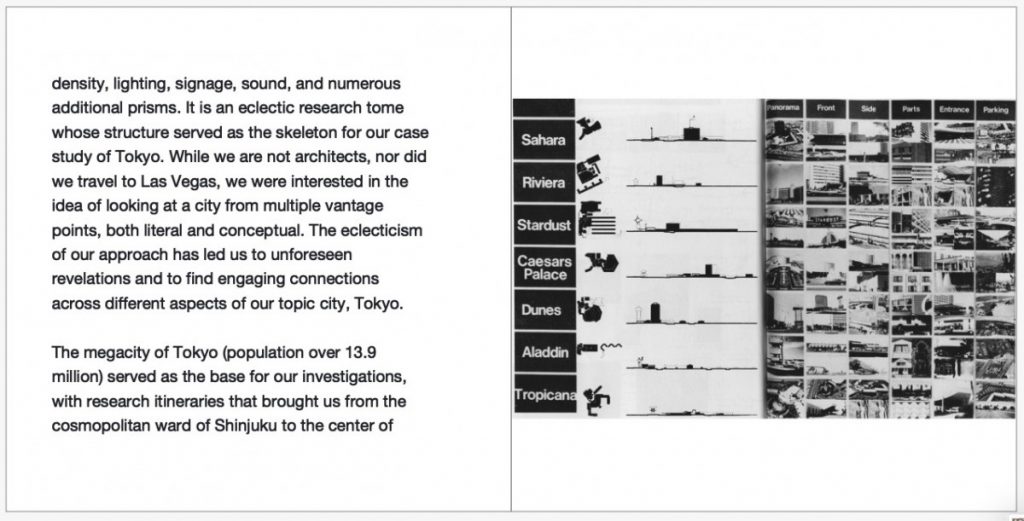
Take one part working methodology from the influential 1972 book, Learning from Las Vegas: The Forgotten Symbolism of Architectural Form, combine with the megacity of Tokyo, add Fordham University Gabelli students, stir for ten days in Japan and what do you get? You get direct acquisition of knowledge through experience with a small team, realized in a hardback research volume focusing on branding, sensory marketing, architecture, design, photography, and urban planning.

Hearty congratulations to the intrepid researchers: Madison Burkart, Branden Cheung, Kaia Corthell, Alexa Cucchiara, Shauna Fortier, Alexander Gardner, Sekai Kaminski, Fionna Lui, Declan McCabe, Sraboni Paul, Anja Pelkola, Raimundo Sanchez, Amanda Scacalossi, Samantha Schwartz, Joseph Sellmeyer, Polina Yafizova, Kevin Zhang, Yiyun Zheng.
Preview the entirety of the book HERE. As well, you can order in softcover or two different hardcover formats. Enjoy!

A JOURNAL OF THE PLAGUE YEAR: AN ARCHIVE OF COVID19 ?>

A JOURNAL OF THE PLAGUE YEAR: AN ARCHIVE OF COVID19

Call for Submissions
Journal of the Plague Year: An Archive of CoVid19

The Visual Arts Program has initiated a partnership between Fordham University and Arizona State University (as well as other schools across the country) to contribute to a remarkable public archive of materials related to how the CoVid19 pandemic is affecting our lives on a local level. You can submit images, text, videos, tweets, Facebook posts, Instagram or Snapchat memes, screenshots of the news, emails — anything that speaks to the moment. Here is a link to a fuller description of the project. Here is a link to the archive’s submissions page.

In the “Your name, as the contributor” field, add Fordham University after your name. This will allow us to search for your submission on the back end of the website and publish it more quickly. At some point in the not-too-distant future, there will be a Fordham Featured Collection that contains all Fordham submissions in one place.

In the “Description” field, add #FordhamUniversity.

Important: At the end of the form, check “Publish my contribution on the web.” If you don’t check this box, your submission will remain private and not appear on the website.

To see what other Fordham students have submitted so far, search “Fordham University” in the search bar at the top of the home page. Please contact Artist in Residence Casey Ruble at caseyruble@gmail.com if you have any questions or need help making your submission.

Right Coast/Messengers Photographs by Susannah Ray & Kota Sake ?>

Right Coast/Messengers Photographs by Susannah Ray & Kota Sake

Susannah Kota Comp


Right Coast/Messengers
Photographs by Susannah Ray & Kota Sake

Curator: Stephan Apicella-Hitchcock


The Lipani Gallery
July 10–October 10, 2019
Reception: TBD
Fordham University at Lincoln Center MAP
113 West 60th Street at Columbus Avenue
New York, NY 10023
fordhamuniversitygalleries.com


*The galleries are open from 9 am to 9 pm every day except on university holidays


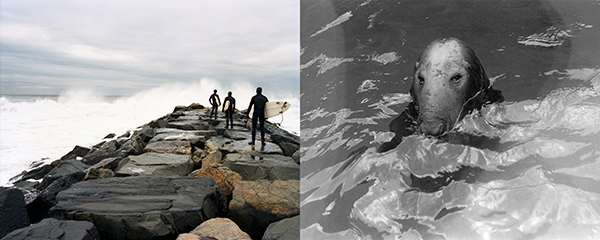
Fordham University is proud to present a new two-person exhibition of photographs in our Lipani Gallery by Susannah Ray and Kota Sake. Upon immediate inspection, the images by these two photographers could not be any more different in terms of content, style, process, or presentation. However, upon closer inspection, a certain resonance begins to emerge between the two bodies of work.

Both evidence a clear dedication to exploring and documenting their respective topics over an extended period of time. As well, each selection of photographs examines how we utilize our free time, pursue our pleasures, and engage with our passions and pastimes. On the most direct level, both bodies of work clearly have something to do with water; however, none of these possible interpretations quite nails their connection down solidly. This ambiguity should serve as an invitation to come to visit the gallery and see the individual bodies of work, as well as an enticement to ponder their linkages.

This exhibition could be seen as a classic summer gallery show aimed towards pleasing the crowds—in this case, with surfers and animals. Nevertheless, beneath the initial hook of breezy, summer reading are numerous aspects of a more nuanced and provocative nature.
website


Susannah Ray
Right Coast

In fall of 2004, following my growing obsession with maritime weather models, cold-water wax, and 7mm neoprene mittens, I began documenting surfing in New York City. My life as I knew it had succumbed to my constant urge to surf, and it became clear to me that my photography would suffer from neglect if I did not begin to document the new passion that occupied most of my waking thoughts and many of my dreaming ones.

The project title, Right Coast, is a nickname for the East Coast that not only indicates its location on the continental US, but also asserts an underdog’s dreams of superiority. Surfing on the right coast, particularly in New York City’s Rockaway Beach, lacks most of the lifestyle and allure of West Coast surfing. Yet making up for the dearth of good weather, consistent waves, and beautiful surf spots is a community that has a surfeit of heart, dedication, and soul. Or in a word, aloha.

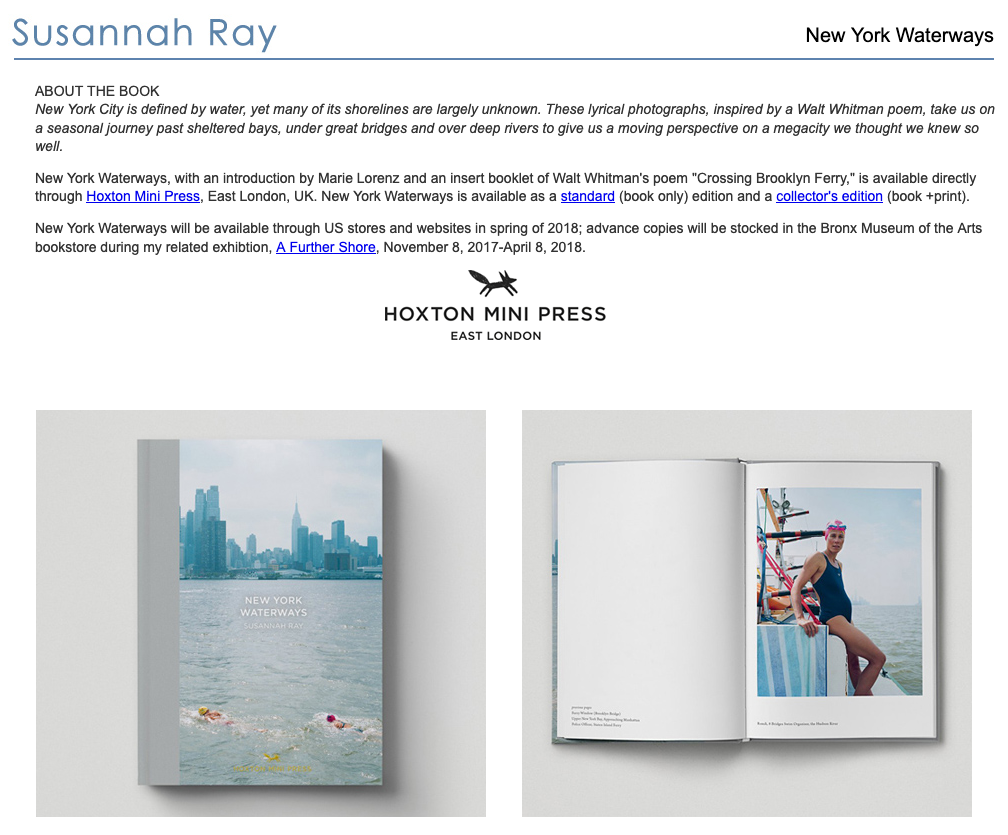
In the fall of 2012, less than a year after I concluded this series, Hurricane Sandy devastated Rockaway Beach, forever altering the landscape and our relationship to the sea. These photographs have become a testament to halcyon days, to a way of life lost, and to a life regained.


Kota Sake
Messengers

Chances are that at any given moment millions of digital pictures of unbearably cute animals are being uploaded to the Internet for viewing and pleasurable consumption. Second probably only to adorable baby pictures, cute animal pictures no doubt pervade our consciousness as we go about surfing the Internet, paying bills, and generating various status updates.

So, in looking at Kota Sake‘s traditional, gelatin silver photographs of animals one must ask why they seem so unfamiliar, resolutely not cute, and at times tragically strange. Considering that we are constantly exposed to such creatures online, in calendars, and in physical form at the zoo, it is an admirable achievement to transform something seemingly familiar into something otherworldly and mysterious.

Suspended in the netherworld of zoo tanks, these creatures glide, drift, sink, and loiter, isolated and mostly indifferent to our presence. There are no Technicolor creatures singing cheerful or cautionary songs for our education and pleasure. Theses creatures exist purely outside of our realm of understanding.


Images: Susannah Ray, On the Jetty, 2005 (L), Kota Sake, Messengers, 2019 (R)


For further information on the exhibition please contact:
Stephan Apicella-Hitchcock

New Visual Arts Department Faculty Books ?>

New Visual Arts Department Faculty Books

Screen Shot 2019-01-17 at 1.28.03 PM

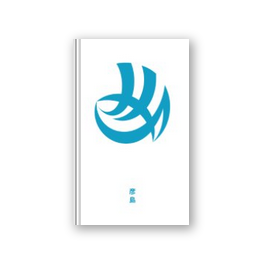
彦島 Hikoshima

by Stephan Apicella-Hitchcock

About the Book

The images in this book are selected from a body of work made in the south of Japan over the past ten years. I first started photographing on the small island of Hikoshima in the city of Shimonoseki during visits to see my wife’s family. I wanted to walk where she had walked, gradually discovering a sense of place through observation. After my son was born I continued my walks; however, with him strapped to my chest, my camera in one hand, and a baby bottle in the other. My son and I now walk the island together and he often points out things to me that he thinks would make interesting images, in addition to making his own images with a point-and-shoot camera. It is enormous fun, as well as a means for him to connect to the place in which he was born.

Screen Shot 2019-01-17 at 1.28.12 PM

Pictures of: Verticals and Horizontals

by Anibal Pella-Woo

About the Book

“History always constitutes the relation between a present and its past”

John Berger, “Ways Of Seeing”

“An individual is no match for history.”

Robert Bolaño, “By Night in Chile”

These images were sourced from over 38,000 images that were rescued or recovered from used, low capacity compact flash memory cards. The cards were purchased online in 2017 and 2018.

Screen Shot 2019-01-17 at 1.28.21 PM

Zoom

by Mark Street

About the Book
Painting and bleaching the surface of a 35mm film print of a Dutch/French thriller reveals another level of psychological complexity.