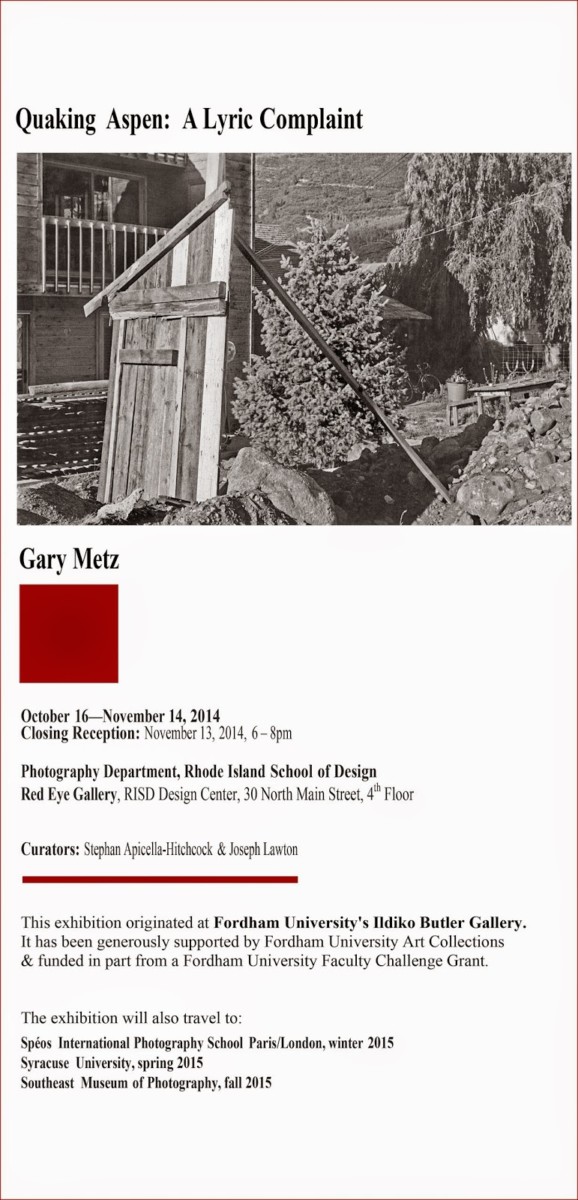
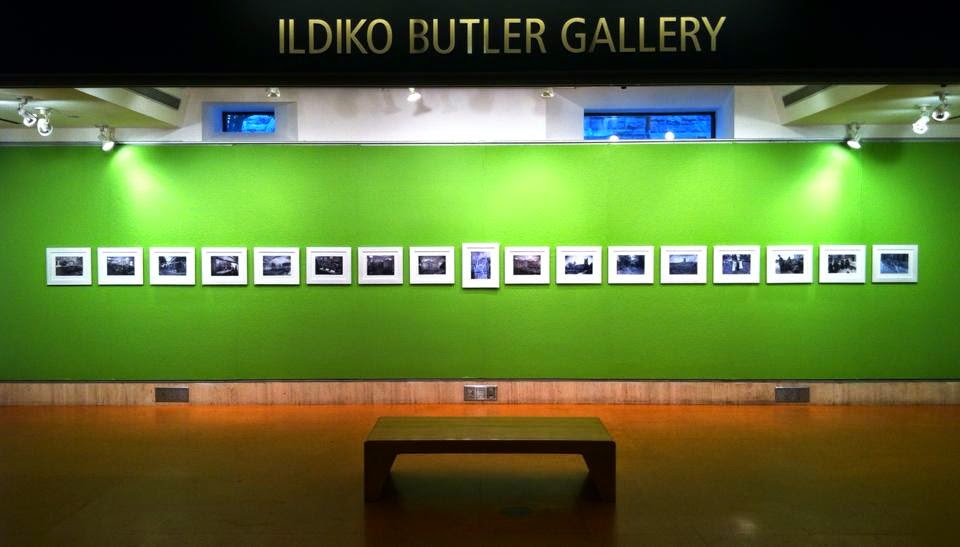
Fordham’s “Gary Metz: Quaking Aspen: A Lyric Complaint” at RISD
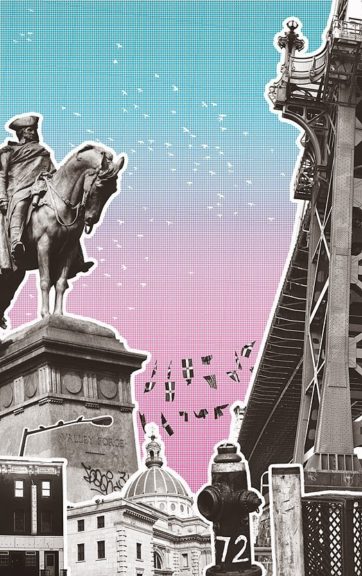
The six works in this show are part of the larger project Living Los Sures, a collaborative documentary about the Southside of Williamsburg, Brooklyn, produced by UnionDocs Center for Documentary Art.
From 2010 through 2014, UnionDocs is producing a collaborative web documentary about the Southside neighborhood in Williamsburg, Brooklyn where the organization has been situated for nearly a decade. Part omnibus film, part media archeology, part deep-map and city symphony, the project uses Los Sures, a brilliant work of cinema verite directed by Diego Echeverría in 1984, as a starting point for the investigations of more than forty artists over the course of four years. Collectively, their projects tell the story of a longstanding Latino community that is defeating displacement and surviving the growth machine. Living Los Sures is a multi-part project that restores a lost film, remixes local histories, reinvestigates Williamsburg’s Southside today, and hopes to reunite a neighborhood around a sustainable future.
In the late seventies and early eighties, the Southside of Williamsburg was one of the poorest neighborhoods in New York City. In fact, it had been called the worst ghetto in America. Los Sures, a documentary from 1984 by Diego Echeverría, skillfully represents the challenges of this time; drugs, gang violence, crime, abandoned real estate, racial tension, single parent homes, and inadequate local resources. Yet, Echeverría’s portrait also celebrates the vitality of this largely Puerto Rican community, showing the strength of their culture, their creativity and their determination to overcome a desperate situation.
UnionDocs has partnered with Echeverría to develop Living Los Sures, revisiting his powerful film to pursue four primary goals. RESTORE: Bring the original film back to life and make it accessible online for the first time, working with the local community to update, annotate, and challenge the narrative through a participatory platform. REMIX: Expand the experience of the original through deeply interactive audio/visual experiments. REUNITE: Activate the community to engage vital civic issues for a more sustainable future. REINVESTIGATE: Create new short documentaries to illustrate the issues the community faces today.
To date, over thirty such reinvestigations have been created by members of the UnionDocs Collaborative Studio. Each year since 2010, UnionDocs has hosted twelve Collaborative artist-fellows who work together to produce short documentary projects about the Southside today. These projects cover a wide range of topics and forms — from short videos to soundworks, audio walks, installations and interactive media. The works in this show represent the variety of form and subject matter, as well as the common concerns, that characterize the Living Los Sures project.
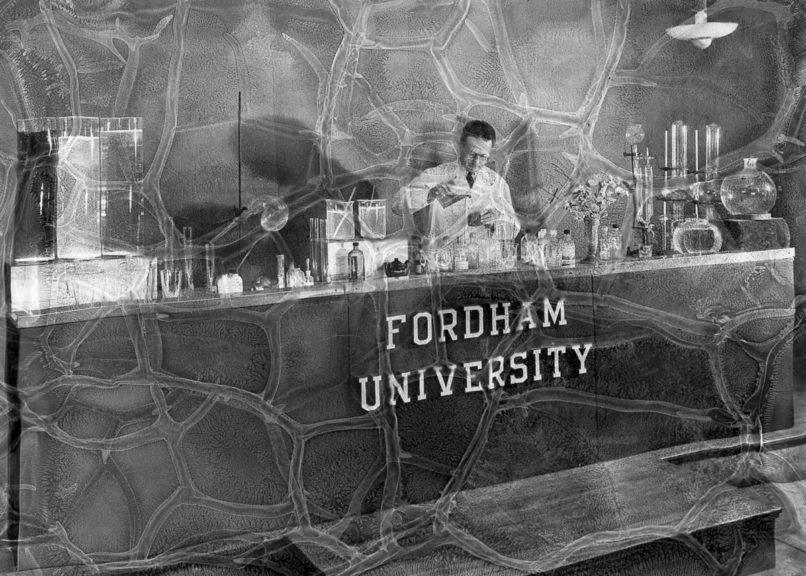

Take one part working methodology from the famous 1972 book, Learning from Las Vegas: The Forgotten Symbolism of Architectural Form, combine with the megacity of Tokyo, add ten Fordham University Gabelli students, stir for nine days in Japan and what do you get? You get direct acquisition of knowledge through experience with a small team, realized in an online, as well as hardback research volume focusing on branding, sensory marketing, architecture, design, photography, and urban planning.
Click HERE for book.

Click HERE for book preview.
This book is the final culmination of the course Documentary Photography: Japan offered by Stephan Apicella-Hitchcock through the Department of Theatre and Visual Arts at Fordham University.
The course description is as follows: This intensive class is designed as a platform for intermediate and advanced level students to further develop their photographic production with an emphasis on generating documentary projects focusing on the people, culture, and architecture of Japan. The megacity of Tokyo will serve as the starting point for our investigations, with image making itineraries that will take us from the cosmopolitan ward of Shinjuku, to the center of youth culture in Shibuya; and from the cutting edge fashion districts of Harajuku, to the temples and shrines of Asakusa.
Concurrent with our photographic explorations we will examine contemporary exhibitions in venues such as the Tokyo Metropolitan Museum of Photography in Ebisu, as well as view the ancient collections housed in Japan’s oldest and largest museum, the Tokyo National Museum in Ueno. Traveling by Shinkansen bullet train at 300 km/h (186 mph), we will make our way south to Kyoto, the nexus of traditional Japanese culture and history with approximately two thousand temples, shrines, and gardens that we can utilize as both the catalyst and stage for our photography. The extraordinary wealth of visual stimuli we will experience in Japan over ten days will certainly inspire, as well as function as the backdrop against which to critically discuss the strategies that photographers employ in communicating their interests.
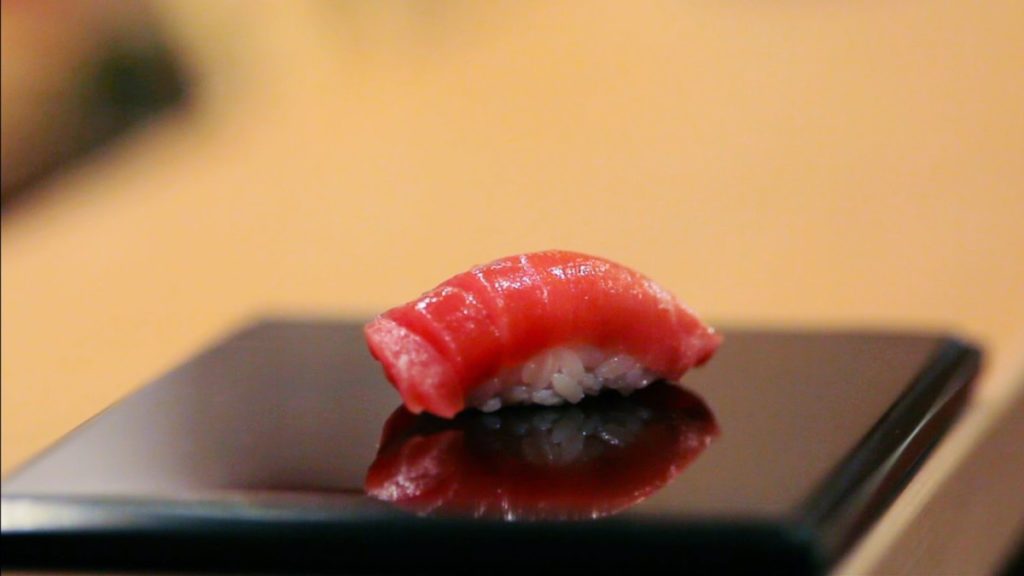
Jiro Dreams of Sushi is the story of 85-year-old Jiro Ono, considered by many to be the world’s greatest sushi chef. He is the proprietor of Sukiyabashi Jiro, a 10-seat, sushi-only restaurant inauspiciously located in a Tokyo subway station. Despite its humble appearances, it is the first restaurant of its kind to be awarded a prestigious three-star Michelin Guide rating, and sushi lovers from around the globe make repeated pilgrimage, calling months in advance and shelling out top dollar for a coveted seat at Jiro’s sushi bar.
Jiro Dreams of Sushi is a thoughtful and elegant meditation on work, family, and the art of perfection, chronicling Jiro’s life as both an unparalleled success in the culinary world and as a loving yet complicated father. –Magnolia Pictures
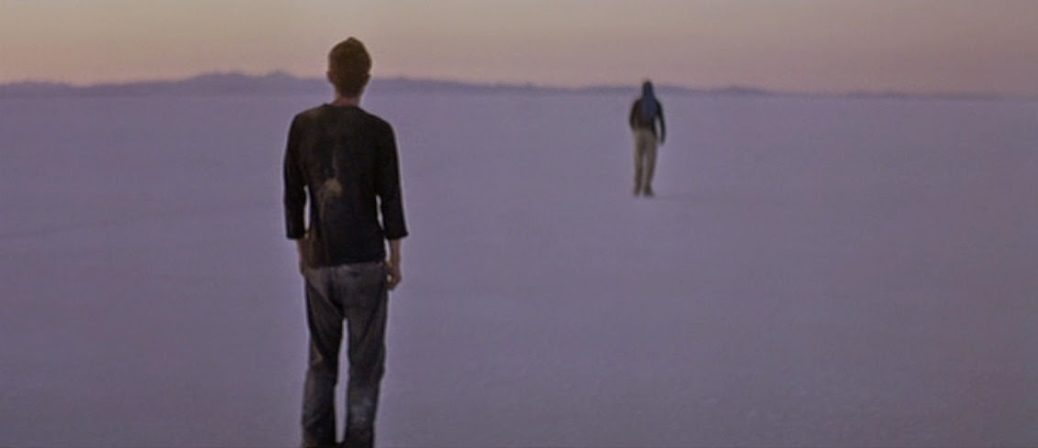
No description included for fear of plot spoiling; however, I can say clearly that there is walking and landscape. Who needs more?
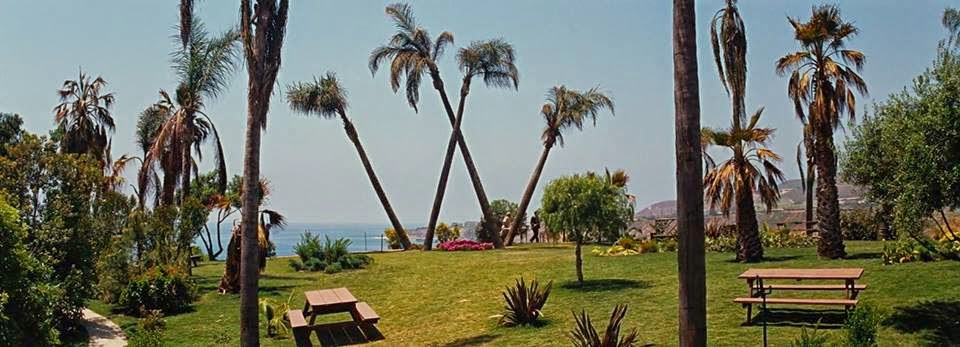
Please join the Fordham University Friends of Films for Photographers in collaboration with Professor Pics for a screening of Stanley Kramer’s 1963 film It’s a Mad, Mad, Mad, Mad World.
The dying words of a thief spark a madcap cross-country rush to find some treasure. With this all-star Cinerama epic, producer/director Stanley Kramer vowed to make the comedy that would end all comedies. The story begins during a massive traffic jam, caused by reckless driver Smiler Grogan (Jimmy Durante), who, before (literally) kicking the bucket, cryptically tells the assembled drivers that he’s buried a fortune in stolen loot, under the Big W. The various motorists setting out on a mad scramble include a dentist (Sid Caesar) and his wife (Edie Adams); a henpecked husband (Milton Berle) accompanied by his mother-in-law (Ethel Merman) and his beatnik brother-in-law (Dick Shawn); a pair of comedy writers (Buddy Hackett and Mickey Rooney); and a variety of assorted nuts including a slow-wit (Jonathan Winters), a wheeler-dealer (Phil Silvers), and a pair of covetous cabdrivers (Peter Falk and Eddie Rochester Anderson). Monitoring every move that the fortune hunters make is a scrupulously honest police detective (Spencer Tracy). Virtually every lead, supporting, and bit part in the picture is filled by a well-known comic actor: the laughspinning lineup also includes Carl Reiner, Terry-Thomas, Arnold Stang, Buster Keaton, Jack Benny, Jerry Lewis, and The Three Stooges, who get one of the picture’s biggest laughs by standing stock still and uttering not a word. ~ Hal Erickson, All Movie Guide
Unparalleled, zany comedy. Food and friends are both welcome.