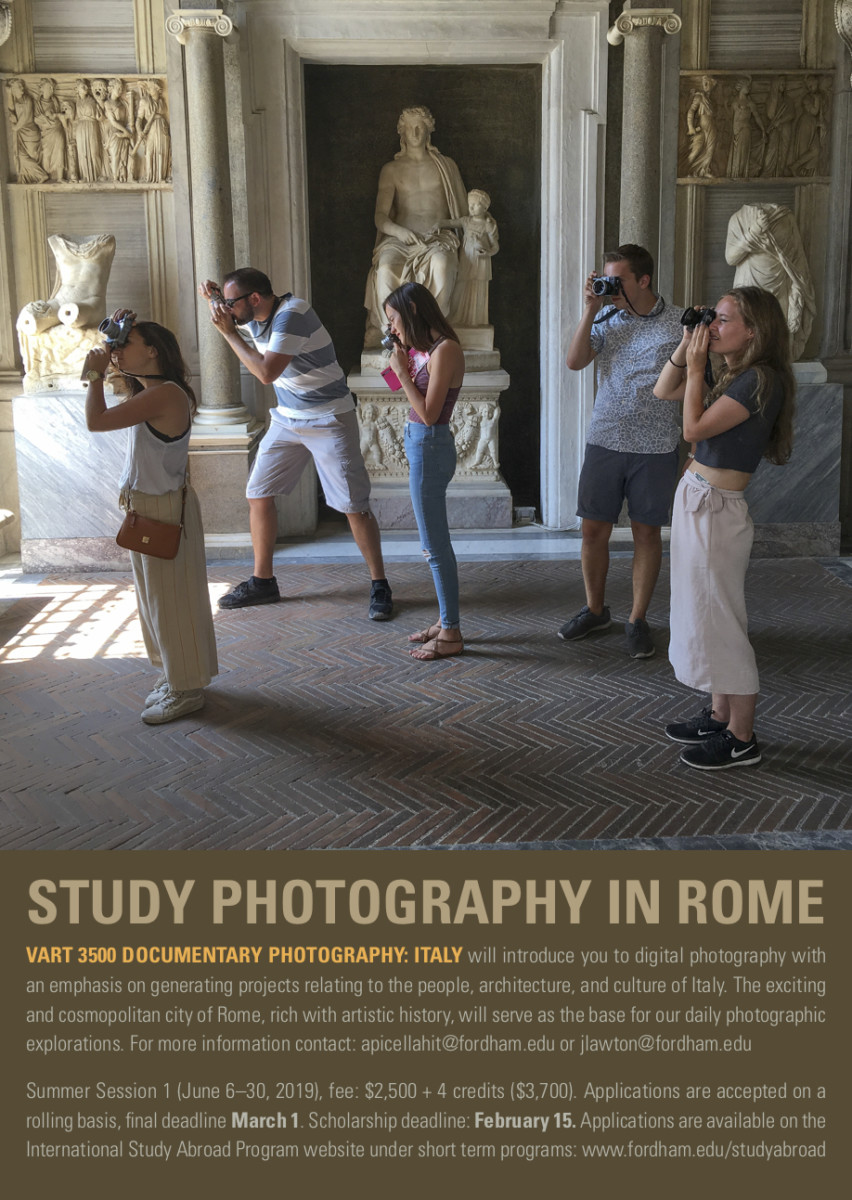
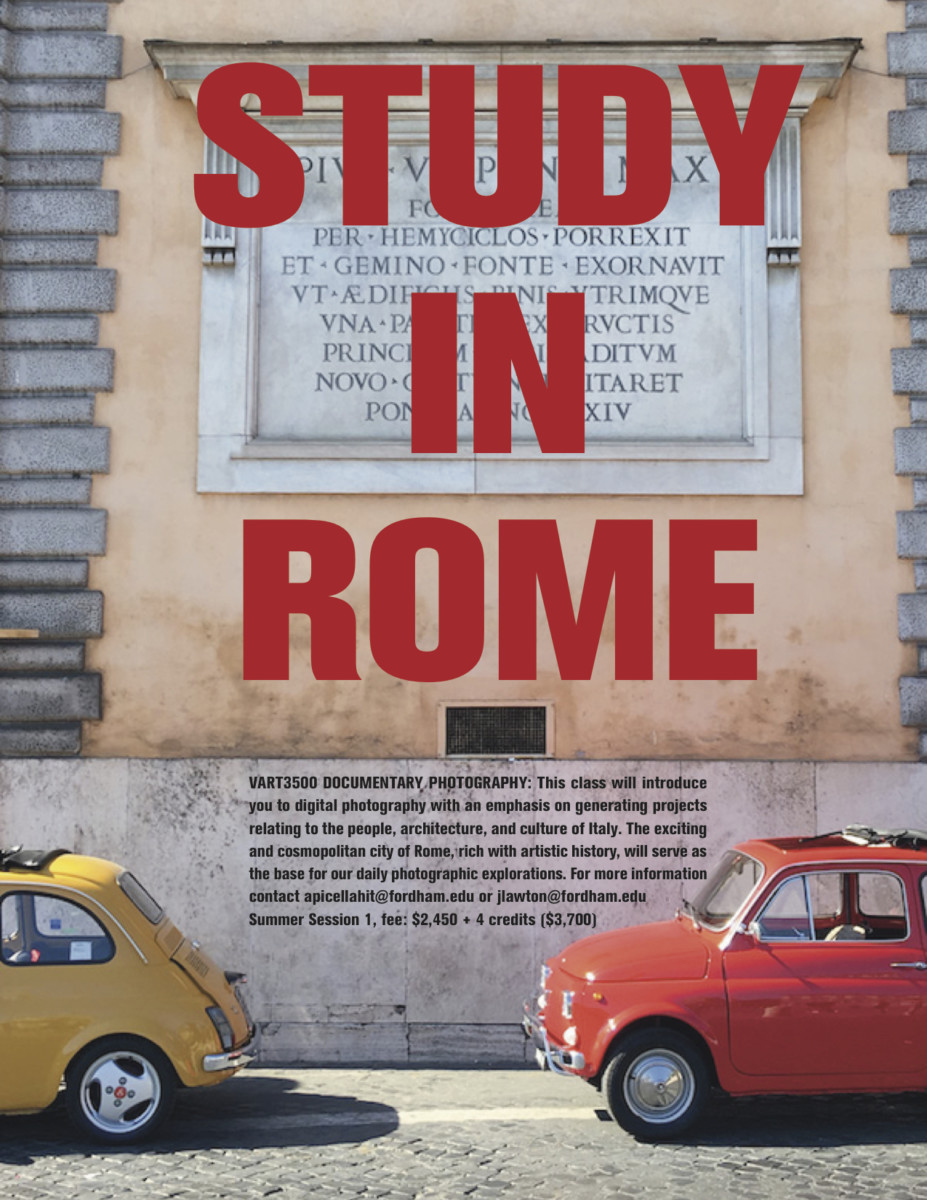
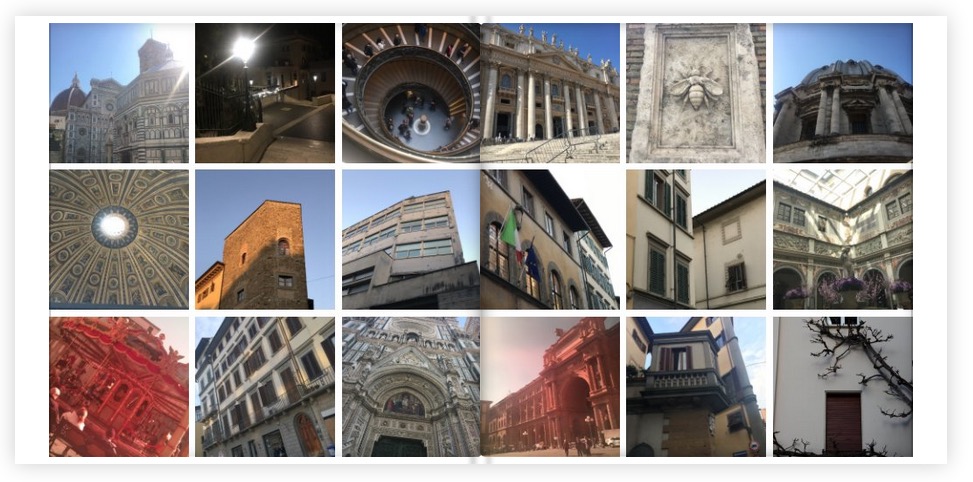
Documentary Photography: Italy 2019!
Presenting Case Study Tokyo 2018!
Synopsis:
Take one part working methodology from the influential 1972 book, Learning from Las Vegas: The Forgotten Symbolism of Architectural Form, combine with the megacity of Tokyo, add Fordham University Gabelli students, stir for ten days in Japan and what do you get? You get direct acquisition of knowledge through experience with a small team, realized in a hardback research volume focusing on branding, sensory marketing, architecture, design, photography, and urban planning.
Dear Fordham Photo alumni: I am putting together a show of your work from over the years, so if you took photo with any of us please sign up to this email list. The scope of the show is yet to be determined based on how many of you are out there. Regardless, it will be very cool and a great reason to have a party! S

Read the article in Fordham News here.

A sample:

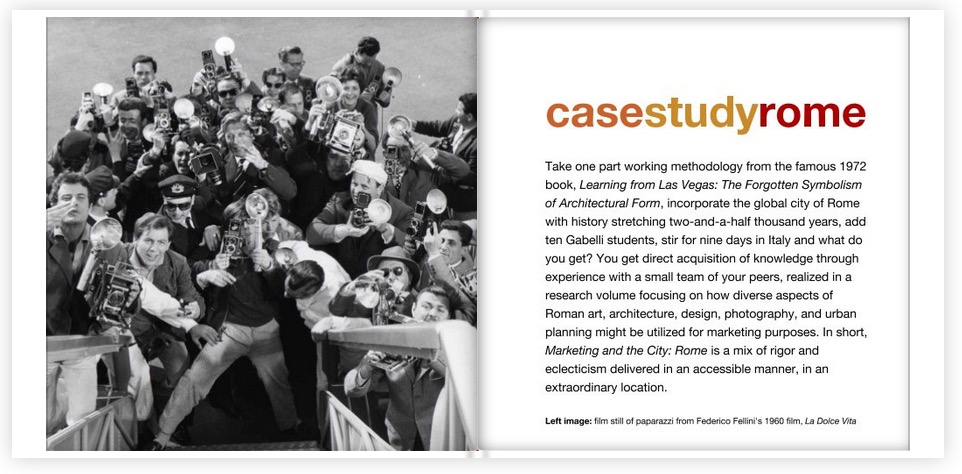
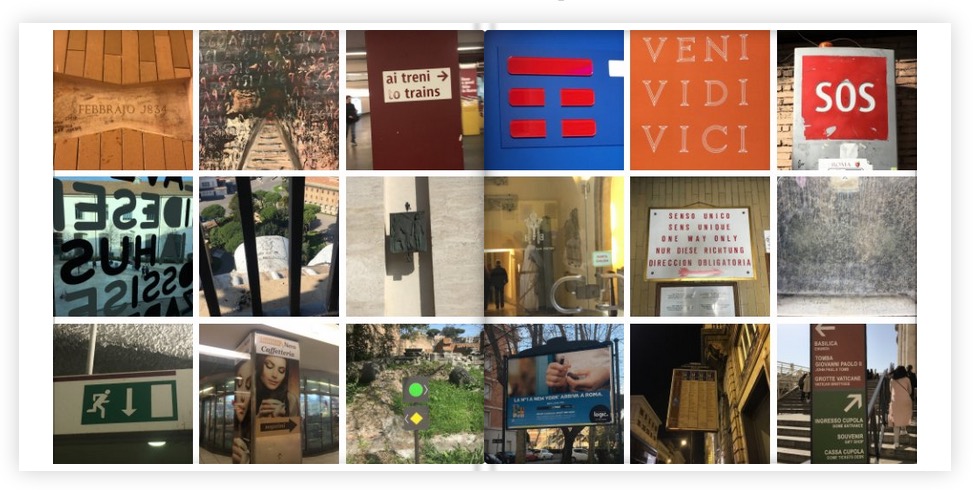
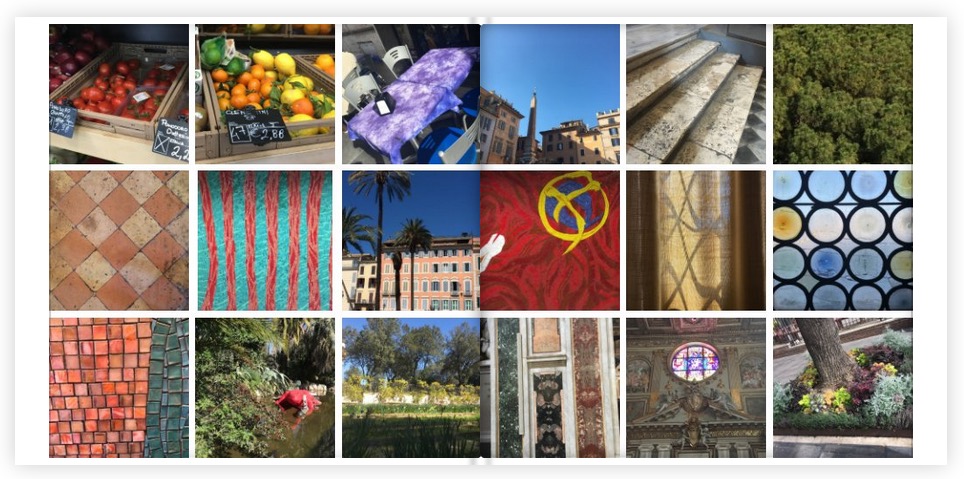
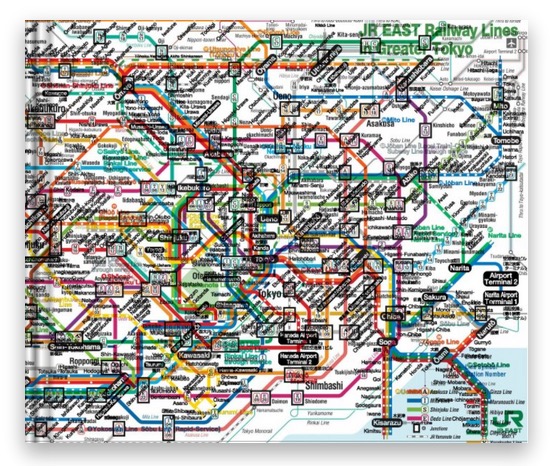
This book is the final culmination of the course “Documentary Photography: Japan” offered by Stephan Apicella-Hitchcock through the Department of Theatre and Visual Arts at Fordham University. The course description is as follows: This intensive class is designed as a platform for intermediate and advanced level students to further develop their photographic production with an emphasis on generating documentary projects focusing on the people, culture, and architecture of Japan. The megacity of Tokyo will serve as the starting point for our investigations, with image making itineraries that will take us from the cosmopolitan ward of Shinjuku, to the center of youth culture in Shibuya; and from the cutting edge fashion districts of Harajuku, to the temples and shrines of Asakusa. Concurrent with our photographic explorations we will examine contemporary exhibitions in venues such as the Tokyo Metropolitan Museum of Photography in Ebisu, as well as view the ancient collections housed in Japan’s oldest and largest museum, the Tokyo National Museum in Ueno. Traveling by Shinkansen bullet train at 300 km/h (186 mph), we will make our way south to Kyoto, the nexus of traditional Japanese culture and history with approximately two thousand temples, shrines, and gardens that we can utilize as both the catalyst and stage for our photography. The extraordinary wealth of visual stimuli we will experience in Japan over ten days will certainly inspire, as well as function as the backdrop against which to critically discuss the strategies that photographers employ in communicating their interests.
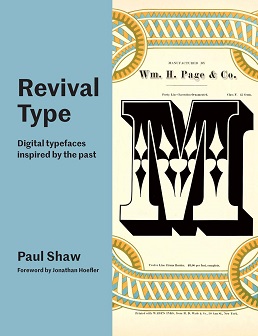
Prof. Abby Goldstein has been interviewed by the Yale Blog about her new book Revival Type: Digital Typefaces Inspired by the Past.
Revival Type: Digital Typefaces Inspired by the Past by Abby Goldstein and Paul Shaw is a new book that provides a fascinating, visually rich tour through typographic history. The book is the result of a close collaboration between Abby Goldstein and Paul Shaw that does not fit neatly into the usual author/designer paradigm. Their thoughtful and illuminating answers to our questions from the blog series From the Designer’s Desk, combined here, reflect their intertwined method of working on books together.